
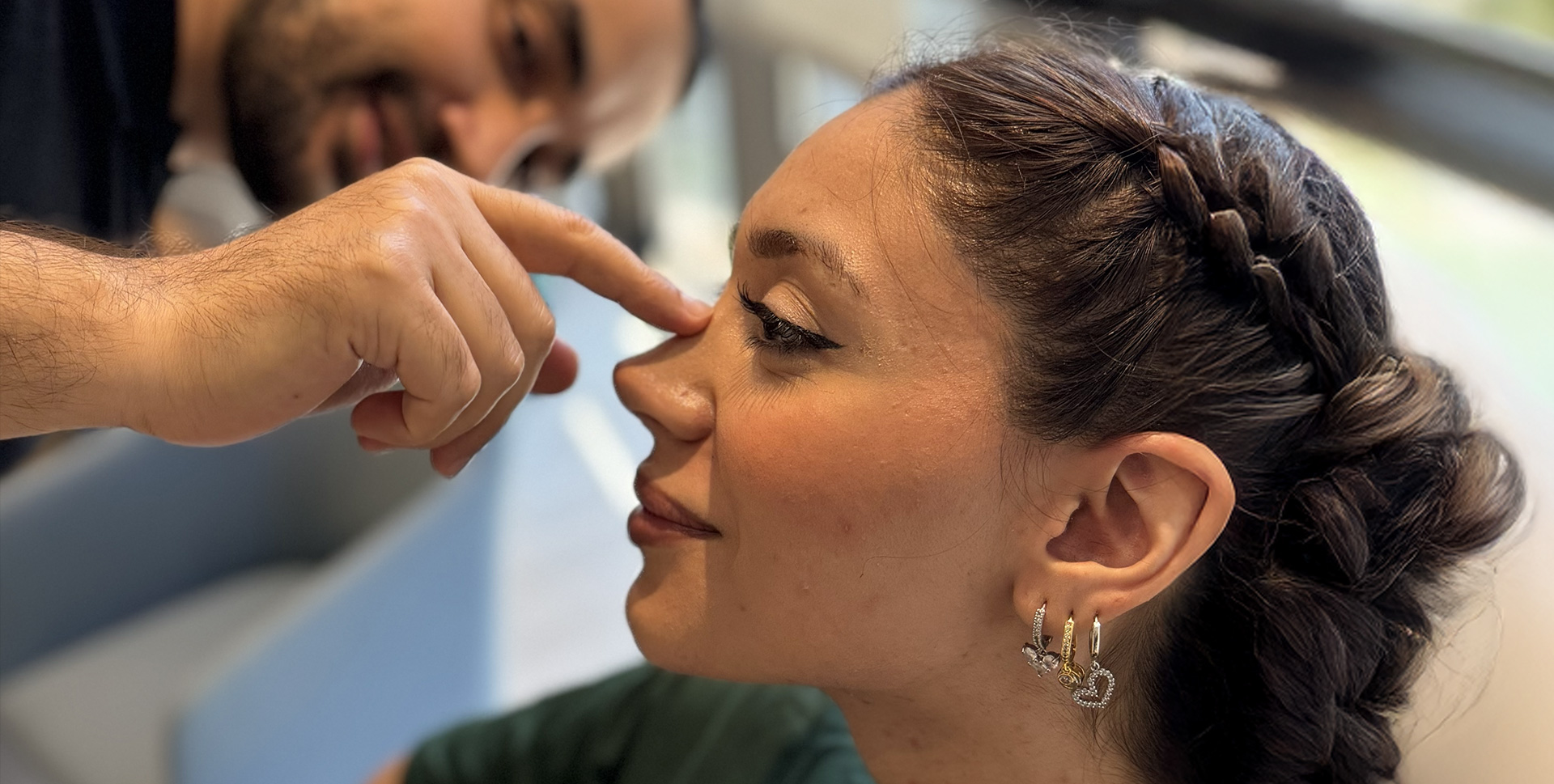
Primary rhinoplasty is often the first and most important opportunity to correct the shape and function of the nose safely and responsibly. For many UK patients, it is not only about appearance, but about achieving balance, comfort and long term stability while still looking like themselves.
As an ENT specialist performing primary and functional rhinoplasty, my approach is based on anatomy, nasal function and conservative surgical planning rather than trends or idealised images. In this article, I explain what primary rhinoplasty involves, what first time patients should realistically expect, and why medical judgement is essential when planning nose surgery.
What Is Primary Rhinoplasty
Primary rhinoplasty refers to the first surgical operation performed on the nose. There has been no previous surgical alteration to the nasal bones, cartilage or internal structures.
This is important because the nose still has:
- intact cartilage support
- unaltered nasal valves
- preserved internal anatomy
From a surgical perspective, primary rhinoplasty offers the best conditions to achieve a stable and natural result, provided the procedure is planned and executed responsibly.
Why First Time Rhinoplasty Requires a Conservative Medical Approach
One of the most common misconceptions among first time patients is that more change leads to better results. In reality, the opposite is often true.
In primary rhinoplasty, overcorrection is one of the main causes of dissatisfaction and long term problems. Removing too much cartilage or bone can weaken the nasal structure and increase the risk of breathing difficulties or future revision surgery.
A conservative approach does not mean minimal improvement. It means:
- respecting nasal anatomy
- preserving structural support
- planning changes that will remain stable over time
This philosophy is especially important for UK patients seeking natural rhinoplasty results rather than dramatic transformation.
Aesthetic Goals and Nasal Function Must Be Considered Together
The nose is not only an aesthetic feature. It plays a critical role in breathing, airflow regulation and overall nasal health.
In many first time rhinoplasty patients, aesthetic concerns coexist with functional issues such as:
- septal deviation
- nasal valve weakness
- chronic nasal obstruction
When these are present, they should be assessed and addressed during the same procedure through septorhinoplasty.
A rhinoplasty that improves appearance but compromises breathing cannot be considered successful. This is why functional assessment is a fundamental part of responsible primary rhinoplasty.
Why ENT Training Matters in Primary Rhinoplasty
ENT specialists are trained to understand both the external appearance of the nose and its internal function.
This dual perspective is particularly important in first time surgery, where decisions made during the initial operation determine long term outcomes. ENT training allows the surgeon to evaluate:
- airflow dynamics
- nasal valve stability
- septal alignment
- structural support
This medical background reduces the risk of functional complications and supports natural, durable results.
You can learn more about this approach on our Rhinoplasty page, where aesthetic and functional planning are explained in detail.
What UK Patients Should Expect from a First Rhinoplasty Consultation
A proper consultation is not a sales appointment. It is a medical evaluation.
During a first time rhinoplasty assessment, the surgeon should:
- examine nasal anatomy and breathing
- assess skin thickness and cartilage strength
- discuss realistic outcomes and limitations
- explain what can and cannot be achieved safely
Honest communication at this stage is essential. Not every request is suitable for every nose, and a responsible surgeon will explain this clearly.
Healing Timeline After Primary Rhinoplasty
Healing after primary rhinoplasty is gradual and varies between individuals.
In general:
- swelling reduces significantly within the first few weeks
- refinement continues over several months
- final results are evaluated after approximately one year
Patients with thicker skin may experience a longer refinement period. This is normal and should be discussed before surgery to avoid unrealistic expectations.
Early post operative images often seen on social media do not represent final outcomes. Healed results provide the most accurate assessment of surgical success.
Common Mistakes in First Time Rhinoplasty
Some of the most common issues seen in patients seeking revision surgery originate from avoidable mistakes during the first operation.
These include:
- aggressive reduction of nasal structures
- copying inspiration photos without anatomical consideration
- ignoring functional assessment
- prioritising trends over facial harmony
Primary rhinoplasty should focus on creating a nose that fits the individual face and functions properly, not on reproducing a specific look.
Are Primary Rhinoplasty Results Permanent
Once healing is complete, primary rhinoplasty results remain permanent.
Long term stability depends on:
- surgical technique
- preservation of support structures
- tissue quality
- proper post operative care
A well planned primary rhinoplasty should age naturally with the face and maintain both appearance and function over time.
Frequently Asked Questions About Primary Rhinoplasty
Is primary rhinoplasty better than revision surgery
Yes. Primary rhinoplasty offers the best opportunity to achieve a stable result because the nasal anatomy has not been altered previously.
Can breathing be improved during first time rhinoplasty
Yes. Functional issues such as septal deviation or valve weakness can often be corrected during the same procedure.
Is first time rhinoplasty painful
Rhinoplasty is generally not considered painful. Any discomfort is usually mild and manageable.
How long before I can return to work
Most patients return to desk based work within seven to ten days.
How do I know if I am suitable for primary rhinoplasty
Suitability depends on anatomy, expectations and overall health. A medical consultation is required to determine this.
You can explore related topics in our Rhinoplasty Recovery Guide and Patient FAQs, where these questions are addressed in more detail.
Primary Rhinoplasty Is a Medical Decision, Not a Trend
Primary rhinoplasty should never be rushed or influenced by social media trends. It is a medical procedure that requires careful assessment, honest communication and long term planning.
For UK patients considering first time rhinoplasty, the most important step is choosing a surgeon who prioritises anatomy, function and realistic outcomes over visual promises.
Request a Personal Primary Rhinoplasty Assessment
If you are considering primary rhinoplasty and would like to understand what is realistically achievable in your case, a personalised medical assessment is the appropriate first step.
During consultation, I evaluate both the aesthetic and functional aspects of the nose, explain limitations when present and provide clear, medically grounded guidance.
Request your free assessment to discuss your anatomy, breathing function and expectations in a calm and professional setting.
Written by Dr Ali Alper Bayram
ENT Specialist and Rhinoplasty Surgeon
I am an ENT specialist with over fifteen years of experience in primary and functional rhinoplasty. My surgical approach focuses on anatomical precision, preservation of nasal function and long term stability, aiming for natural results that respect each patient’s facial structure and individuality.