★★★★★ Rated Excellent on WhatClinic
Ultrasonic Rhinoplasty
in Turkey
- Precise bone reshaping using ultrasonic technology
- Reduced soft tissue trauma compared to traditional techniques
- ENT led surgical planning and execution
- Full guidance and support for UK patients
Ultrasonic Rhinoplasty in Turkey for UK Patients
A refined approach to nasal bone surgery
In many rhinoplasty procedures, reshaping the nasal bones is a key step. Ultrasonic rhinoplasty allows this stage to be performed with greater accuracy and control.
By targeting bone tissue specifically, the ultrasonic device minimises impact on surrounding soft tissues, which may reduce bruising and bleeding compared to conventional methods. The choice of technique is always based on individual anatomy and surgical goals.
Understanding Ultrasonic Rhinoplasty
Ultrasonic rhinoplasty refers to the use of a piezoelectric device during rhinoplasty to cut and reshape nasal bones.
The device works with ultrasonic vibrations, enabling:
- Controlled and precise bone modification
- Preservation of soft tissues
- Improved accuracy during nasal bone reshaping
It is important to note that ultrasonic rhinoplasty is a technique, not a separate type of rhinoplasty, and is used as part of a comprehensive surgical plan.
Setting Realistic Expectations
While ultrasonic rhinoplasty offers technical advantages, it does not change the fundamental principles of rhinoplasty.
Final results depend on:
- Individual nasal anatomy
- Skin type and tissue response
- Surgical planning and execution
The technique is selected to improve precision, not to guarantee a specific outcome. Clear discussion before surgery helps establish realistic expectations.
Who Is Suitable for Ultrasonic Rhinoplasty
Ultrasonic rhinoplasty may be suitable for patients who:
- Require precise nasal bone reshaping
- Have narrow or asymmetric nasal bones
- Are undergoing primary or revision rhinoplasty where controlled bone work is beneficial
Suitability is determined after detailed examination of the nasal structure. The technique is not automatically used in every rhinoplasty case.
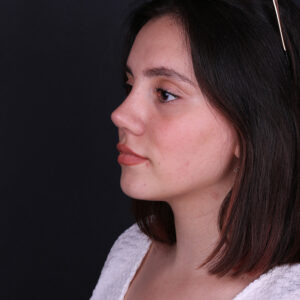
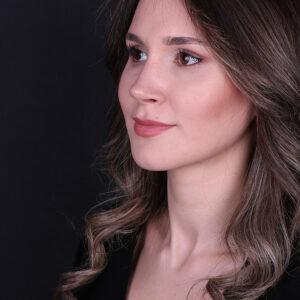
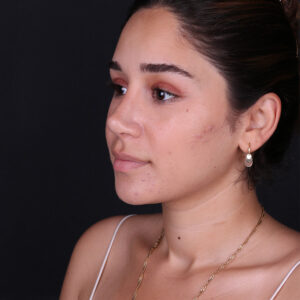
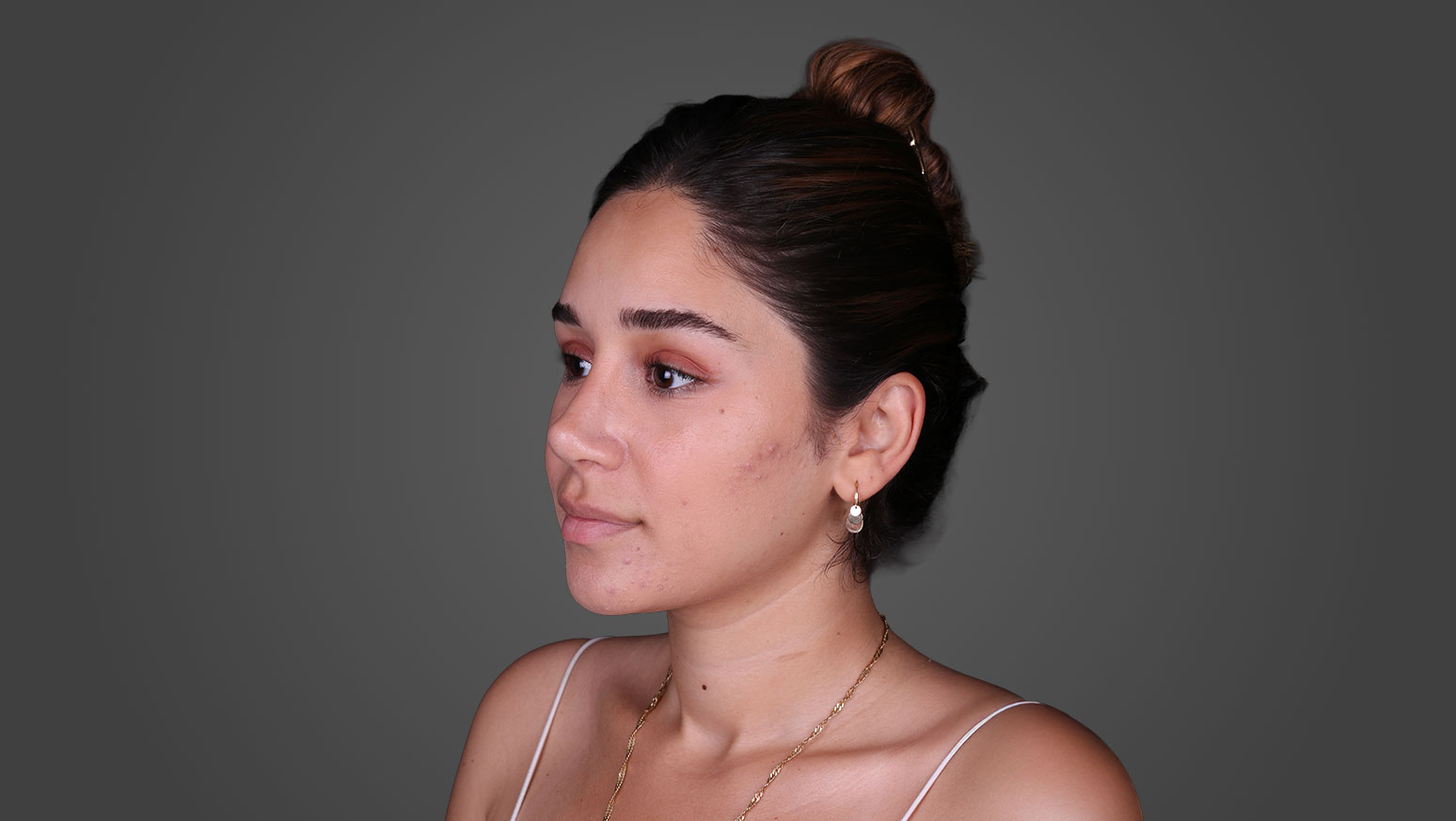
Real Patient Before & After Results
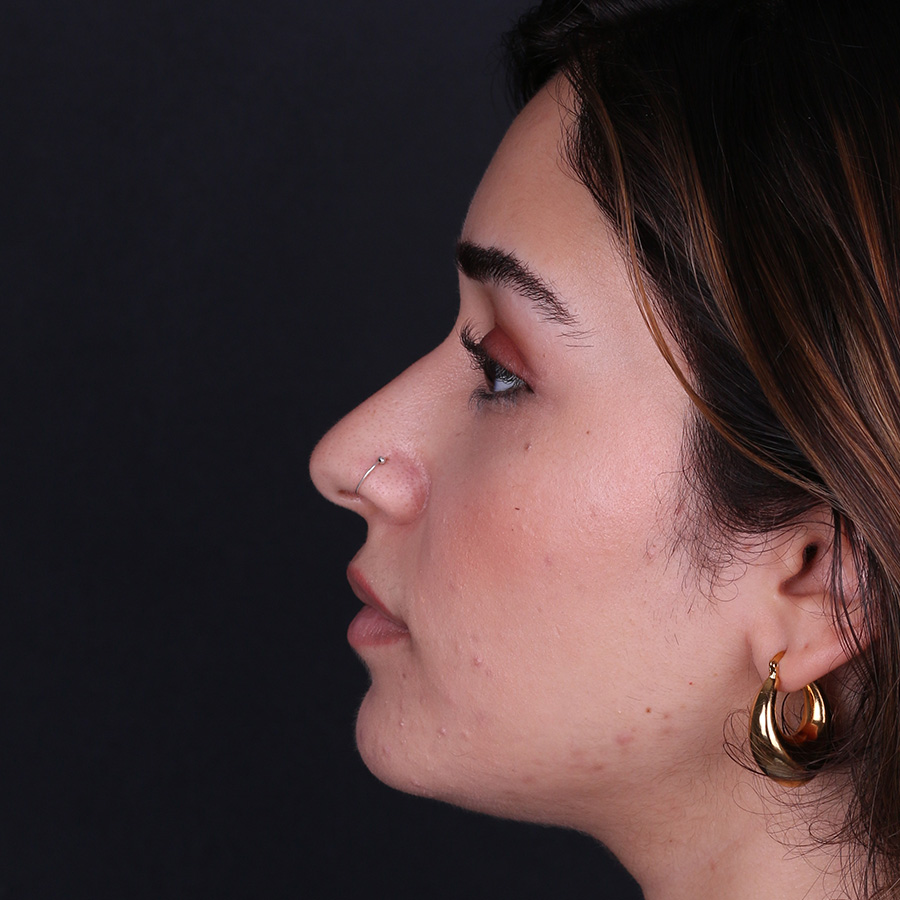


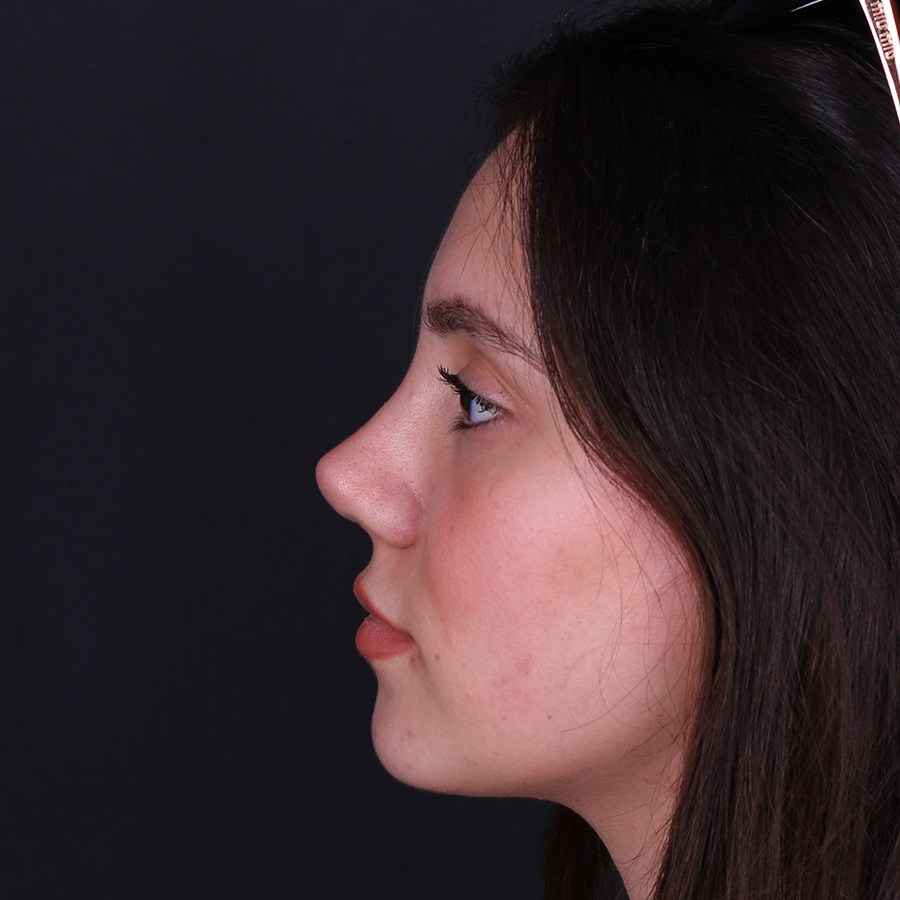
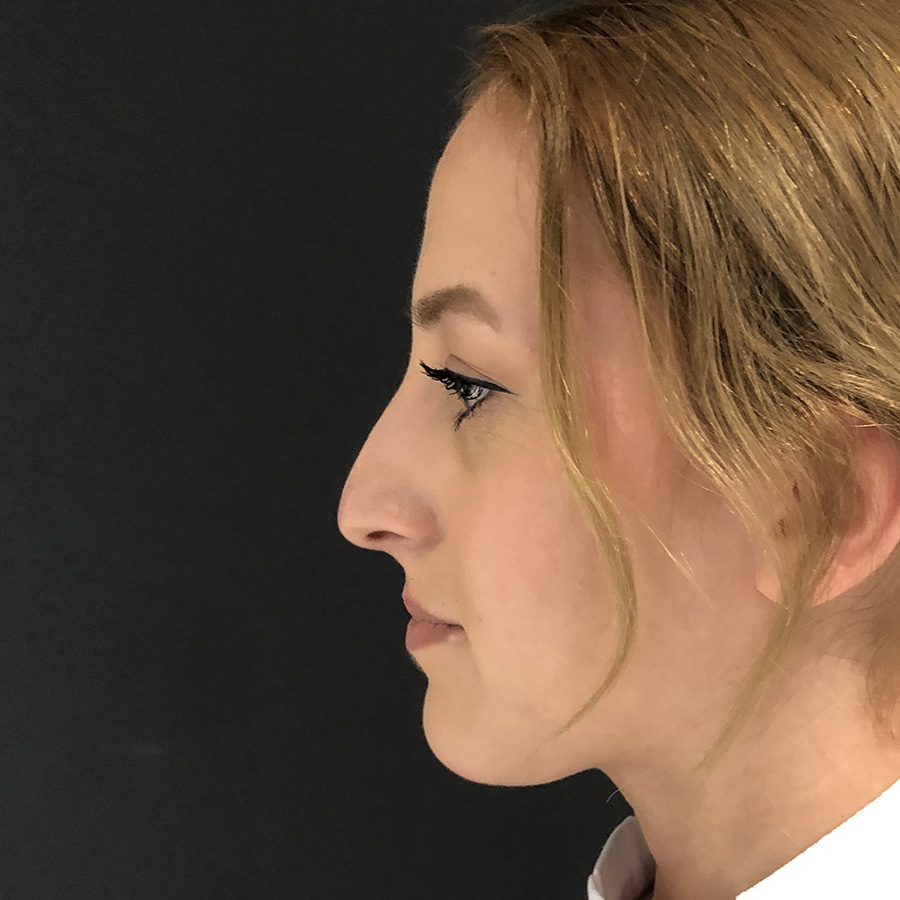
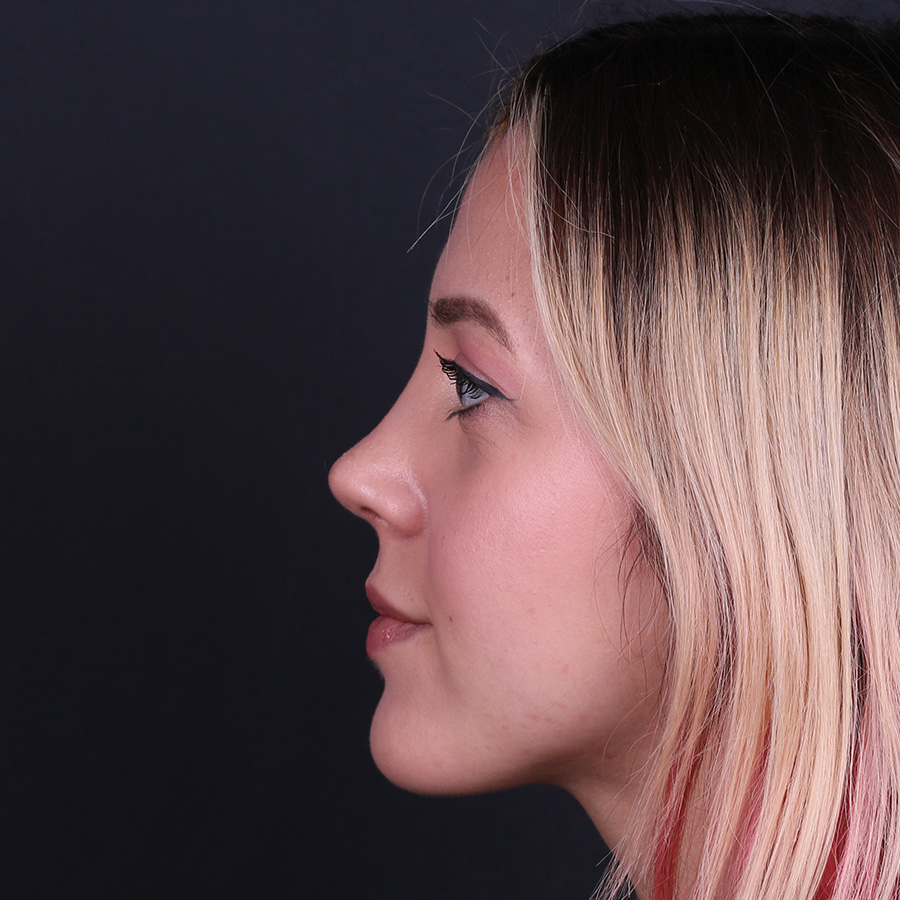
Considering ultrasonic rhinoplasty?
A consultation can help determine whether this technique is appropriate for your nasal anatomy and surgical goals.
Pre Surgical Assessment
Before surgery, a comprehensive assessment is performed, including:
- Evaluation of nasal bone structure
- Assessment of soft tissue thickness
- Functional examination of breathing
- Review of aesthetic and structural goals
Clinical photographs support accurate planning and outcome evaluation.
Surgical Technique and Anaesthesia
Ultrasonic rhinoplasty is performed under general anaesthesia.
The ultrasonic device is used specifically for nasal bone reshaping. Other surgical steps, including septal correction or cartilage work, are performed using standard rhinoplasty techniques when required.
The average duration of surgery is around three hours, depending on individual complexity.
Recovery and Healing Process
Overall recovery follows a similar timeline to other rhinoplasty techniques.
In general:
- Swelling is expected during the early recovery period
- Bruising is often reduced compared to traditional techniques
- Many patients return to work and social activities slightly earlier, depending on healing
Final healing and results develop over several months.
FAQ
Ultrasonic rhinoplasty uses ultrasonic vibrations to precisely reshape the nasal bones while preserving soft tissues.
Greater precision and reduced soft tissue trauma, often resulting in less bruising.
Yes, when performed by an experienced surgeon.
On average around three hours, depending on the nasal structure.
Recovery is similar to other rhinoplasty techniques, with many patients returning to daily activities slightly earlier.
Pain is usually mild. Swelling may occur, while bruising is often minimal.
No. Suitability depends on nasal anatomy and is determined after evaluation.
Yes. Septal deviation and breathing issues can be corrected during ultrasonic rhinoplasty.
General anaesthesia.
There is no separate pricing. Costs depend on individual factors and the hospital where surgery is performed.
Risks are similar to standard rhinoplasty. Rare heat related effects are possible but uncommon.


Why Choose Us for Ultrasonic Rhinoplasty

Precision focused ENT expertise
Dr Ali Alper Bayram applies ultrasonic technology selectively, based on anatomical need rather than routine use.

Careful technique selection
The ultrasonic method is used when it offers genuine surgical benefit, ensuring precision without unnecessary intervention.

Complete care and dedicated UK patient support
UK patients receive clear guidance, travel assistance and structured follow up throughout treatment and recovery.