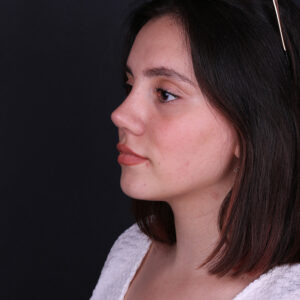
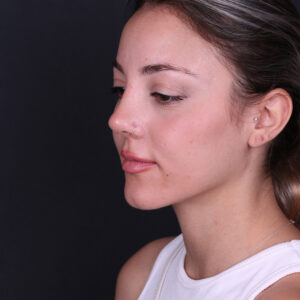
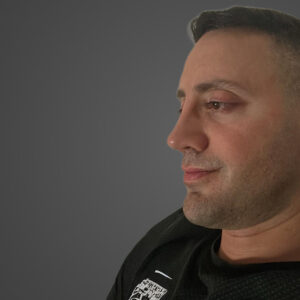
★★★★★ Rated Excellent on WhatClinic
Primary Rhinoplasty
in Turkey
- Individualised surgical planning based on nasal anatomy
- Functional and aesthetic considerations addressed together
- Open or closed technique selected case by case
- Full guidance and support for UK patients
Primary Rhinoplasty in Turkey for UK Patients
A balanced approach to nasal aesthetics and function
The nose is a vital organ, both functionally and aesthetically, positioned at the centre of the face. Primary rhinoplasty is the first surgical procedure performed to improve the shape, proportions, or appearance of the nose while respecting its essential functions.
Under the care of Dr Ali Alper Bayram, primary rhinoplasty is planned with careful attention to facial harmony, nasal function, and long term structural stability, aiming for results that look natural and remain balanced over time.
Understanding Primary Rhinoplasty
Primary rhinoplasty refers to nose surgery performed for the first time, usually for aesthetic reasons, functional improvement, or both.
When rhinoplasty is combined with correction of a septal deviation that causes breathing difficulties, the procedure is known as septorhinoplasty. In all cases, the goal is not only to improve appearance, but also to preserve or enhance nasal function.
The nose plays a crucial role in:
- Heating and humidifying inhaled air
- Filtering particles from the air
- Supporting the sense of smell
For this reason, an ideal rhinoplasty must always respect these functions alongside aesthetic goals.
Setting Realistic Expectations
Before surgery, patients are encouraged to clearly express their wishes and expectations. However, not every request may be anatomically possible or suitable for a specific nasal structure.
The primary aim of rhinoplasty should be to achieve a better looking nose that suits the face, rather than striving for a flawless or unrealistic result. Experience shows that unrealistic expectations are one of the most common causes of post operative dissatisfaction.
Who Is Suitable for Primary Rhinoplasty
Primary rhinoplasty is generally performed after facial growth is complete, usually after the age of 16 to 18. The most commonly recommended age range is between 18 and 40 years. At more advanced ages, factors such as skin quality and age related changes may influence healing and final outcomes, and these are carefully evaluated during consultation.
Suitability is always confirmed through a full medical and anatomical assessment.
Primary Rhinoplasty Before and After Results
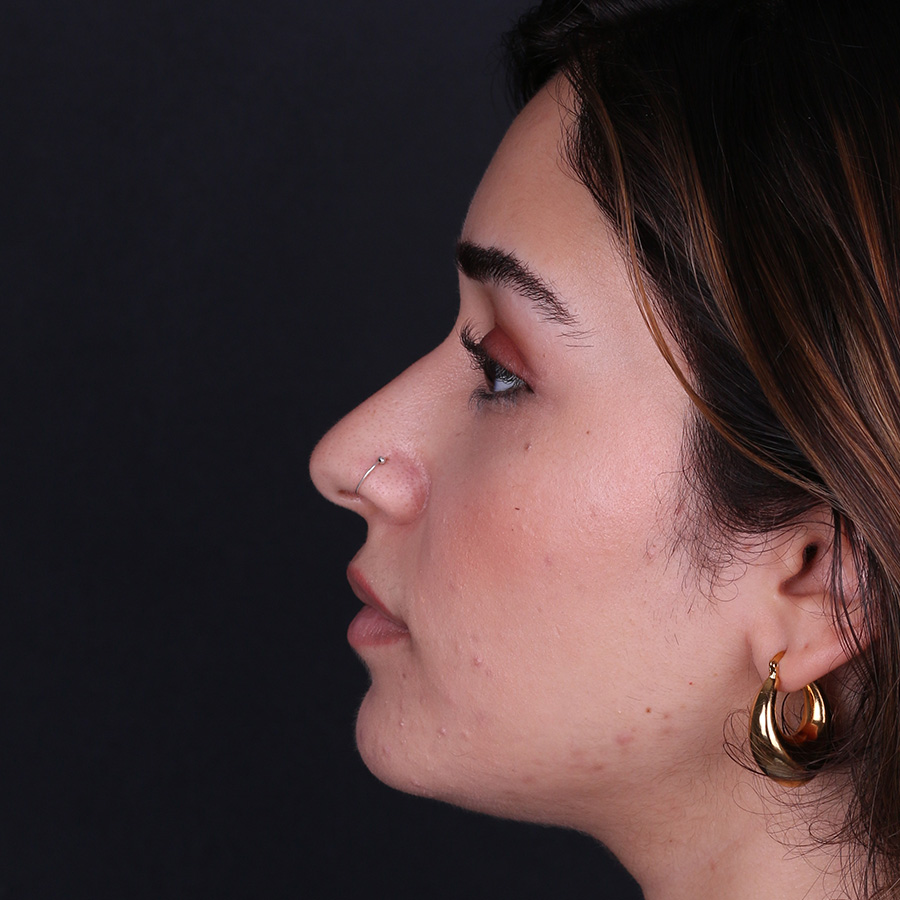


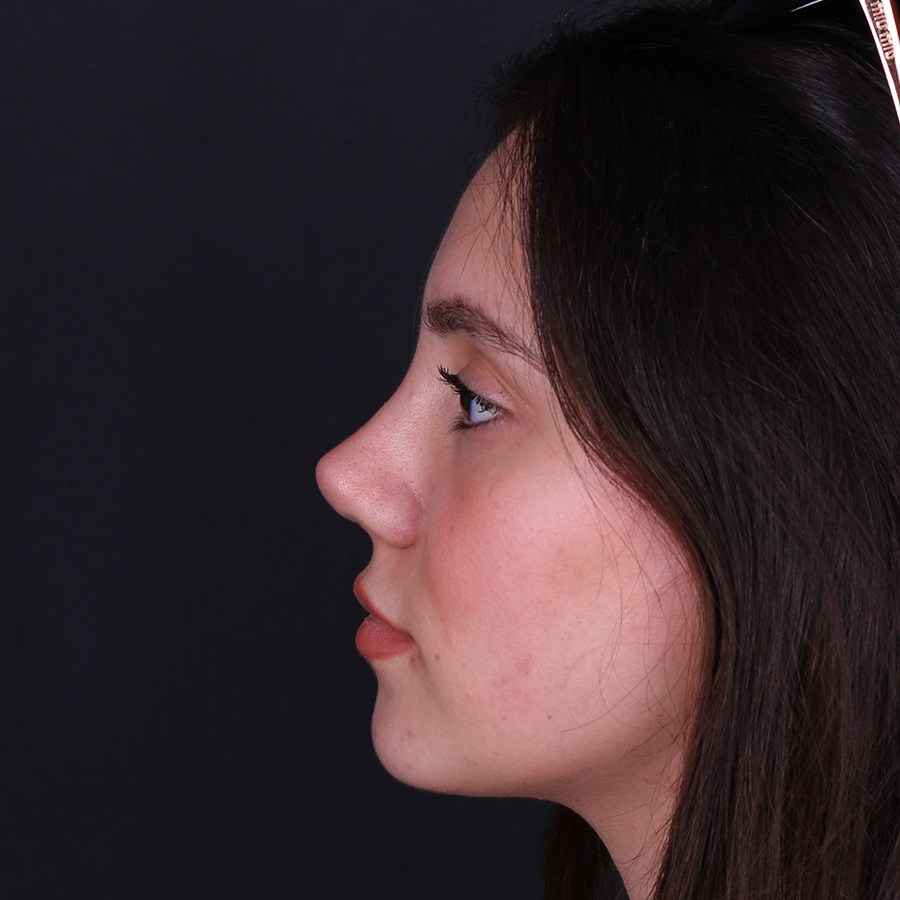
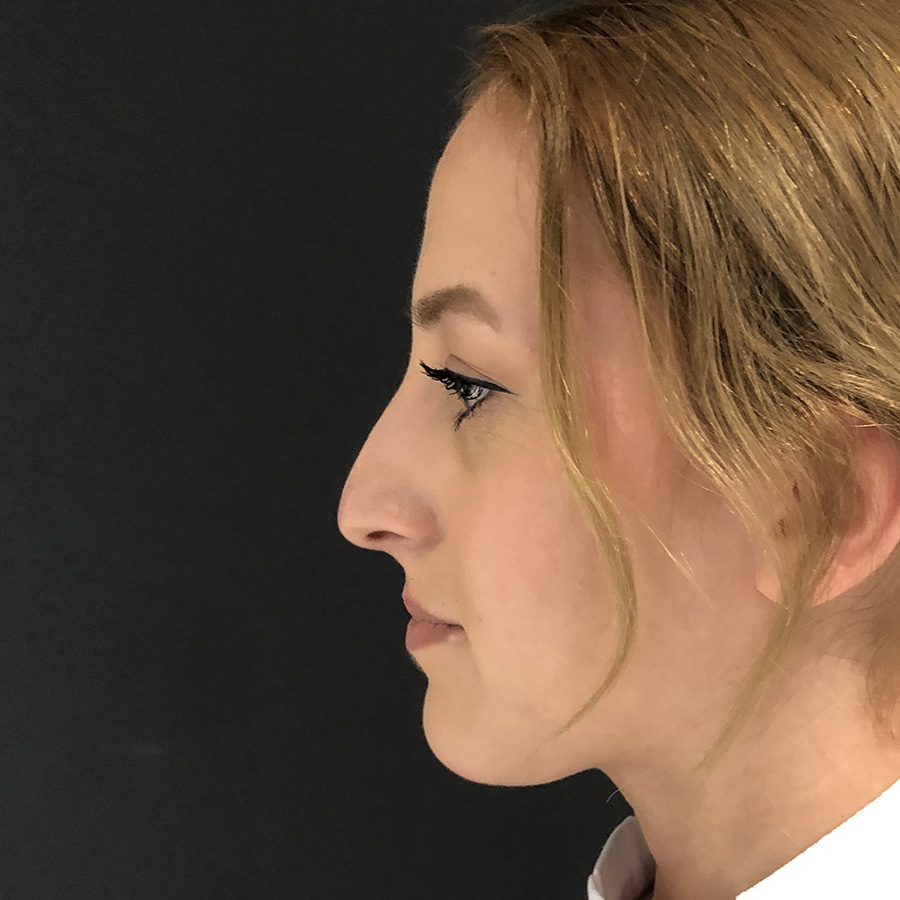
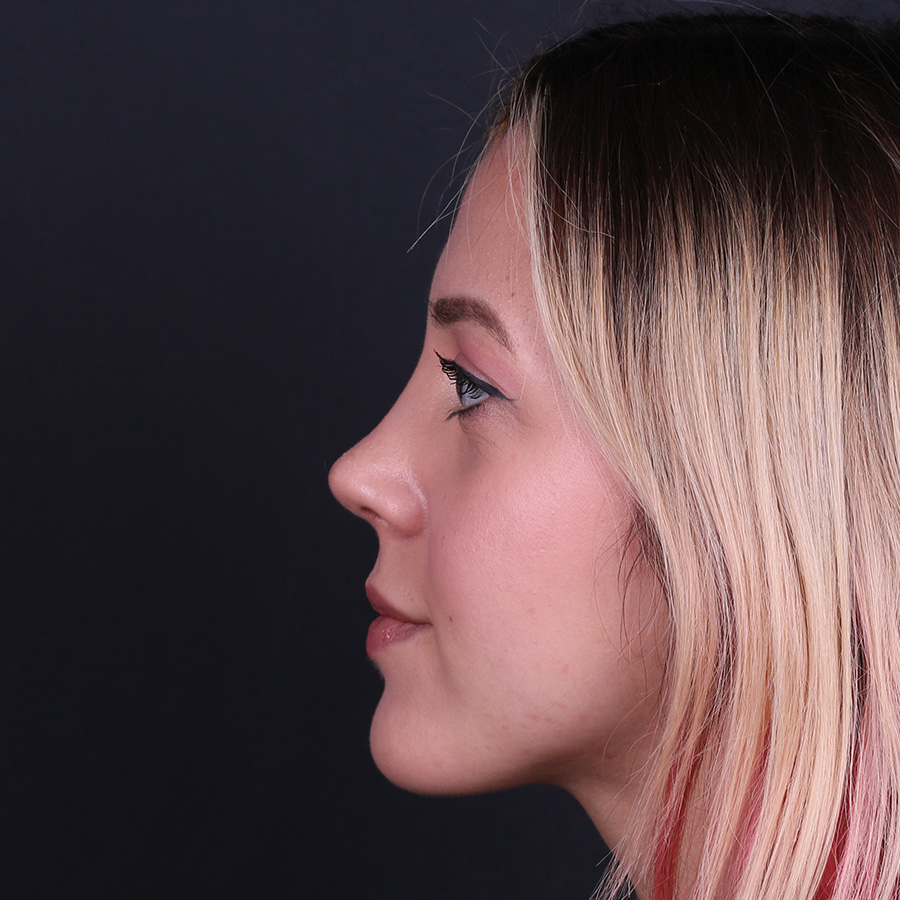
Considering primary rhinoplasty?
A consultation can help you understand what is realistically achievable for your nose.
Pre Surgical Assessment
Before surgery, the nose is evaluated both externally and internally.
Conditions that may be identified and, when appropriate, corrected during the same operation include:
- Septal deviation
- Turbinate enlargement (concha hypertrophy)
- Sinus related issues
In addition to physical examination, pre operative photographs are taken to allow a comprehensive aesthetic and structural evaluation and to support surgical planning.
Surgical Technique and Anaesthesia
Primary rhinoplasty is performed under general anaesthesia.
Depending on the individual case, either an open or closed technique is used. The decision is based on nasal anatomy, surgical objectives, and the level of precision required.
At the end of the procedure:
- Silicone splints are placed inside the nose
- A protective nasal cast or thermal plaster may be applied
- Dissolvable sutures are used at the nasal tip, which do not require removal
The splints and cast are usually removed after approximately one week.
Recovery and Healing Process
Post operative swelling and bruising vary from patient to patient but are generally less pronounced with modern surgical techniques.
- Bruising and swelling typically reduce significantly within the first week
- Most patients can return to desk based work after 7 to 10 days
- Saline solutions and moisturisers may be used to support nasal healing
Temporary skin changes such as increased oiliness or mild acne can occur and are considered normal during recovery.
Patients are advised to:
- Avoid prolonged sun exposure for three months
- Avoid wearing sunglasses for three months
Skin Type and Long Term Healing
Healing speed varies according to skin thickness.
- Patients with thin skin often experience faster visible recovery
- Thicker skin may require a longer refinement period
Complete healing typically averages:
- Around one year for thin to medium skin
- Up to 18 months for thicker skin
Rhinoplasty – Frequently Asked Questions
Primary rhinoplasty is generally performed after the age of 16 to 18, once facial growth is complete. The most commonly recommended age range is between 18 and 40. At more advanced ages, factors such as skin quality and age related changes may influence healing and final results.
Primary rhinoplasty can be performed using either the open or closed technique. The choice depends on the patient’s nasal structure as well as the surgeon’s experience and clinical judgement for each individual case.
On average, the surgery takes around three hours. However, as I always explain to my patients, the operation lasts as long as necessary to achieve a satisfactory and well balanced result.
Swelling and bruising around the face are normal during the first week after surgery. Most patients are able to return to work or school within 7 to 10 days. Complete healing and full resolution of swelling depend on individual skin characteristics and may take between 12 and 18 months, and in some cases up to two years.
Rhinoplasty is generally not considered a painful procedure. If pain occurs, it is usually mild and can be managed with simple pain relief medication. During the first week, some temporary discomfort related to nasal packing and nasal blockage may be experienced.
Rhinoplasty is most commonly performed using the open technique. The incision on the columella, the skin between the nostrils, typically fades over time and becomes barely noticeable after around six months. In closed rhinoplasty, there is no incision in this area. Small internal incisions inside the nostrils are present in both techniques.
Before surgery, it is very important to discuss what you personally consider to be a natural looking nose and whether this is suitable for your facial structure. With over ten years of experience, it is clear that the perception of a natural result can vary significantly from one person to another.
Once the healing process is fully completed, the results of primary rhinoplasty are considered permanent.
As with any surgical procedure, there are risks related to general anaesthesia. Other potential risks include infection, bleeding, or dissatisfaction with the final shape of the nose. All risks are discussed in detail during consultation.
The cost of primary rhinoplasty varies depending on the characteristics of the nose and the hospital where the procedure is performed. A personalised assessment is required to provide an accurate quotation.
Desk based work can usually be resumed after approximately one week of rest. Light exercise, such as cardio, can typically be started after two weeks. Heavy exercise and contact sports should generally be avoided for four to six weeks.
Citizens of many countries can travel to Turkey for short term medical treatment either visa free or with an e visa. Our clinic provides support with transfers and accommodation once you arrive in Turkey. For post operative follow ups, it is recommended to stay in Turkey for approximately 7 to 10 days so that the early recovery period can be monitored by your surgeon.

Why Choose Us for Primary Rhinoplasty

Expertise in aesthetic and functional nose surgery
Dr Ali Alper Bayram is an ENT specialist with extensive experience in primary rhinoplasty. Each procedure is planned with careful attention to facial proportions, nasal structure, and long term stability, aiming for natural and balanced results rather than overcorrection.

Advanced planning and modern surgical techniques
Every rhinoplasty is preceded by a detailed anatomical and aesthetic assessment. Modern surgical techniques are used to improve precision, reduce unnecessary trauma, and support a smoother recovery, while respecting both the aesthetic and functional role of the nose.

Complete care and dedicated UK patient support
From the initial consultation to post operative follow up, patients receive clear guidance at every stage. International patients are supported with travel and accommodation planning, and early recovery is monitored directly by the surgeon to ensure continuity of care and reassurance throughout the process.