★★★★★ Rated Excellent on WhatClinic
Otoplasty
in Turkey
- Individualised ear and facial assessment
-
Natural ear positioning and balanced proportions
- Correction of prominent ears and ear fold definition
- Full guidance and support for UK patients
Otoplasty in Turkey for UK Patients
A precise medical approach to prominent ear correction
Prominent ears or poorly defined ear folds can significantly affect facial balance and self confidence, both in childhood and adulthood. Otoplasty, also known as ear pinning surgery, is designed to reposition the ears closer to the head and restore natural contours while respecting individual anatomy.
Under the care of Dr Ali Alper Bayram, otoplasty is planned with a conservative and anatomical approach. The objective is to achieve a natural, harmonious ear position without creating an artificial or overcorrected appearance.
Understanding Otoplasty (Ear Pinning Surgery)
Otoplasty is not a single fixed technique. The surgical approach is selected based on ear cartilage structure, degree of prominence, and the stability required for long term results.
The procedure aims to:
- Reduce ear prominence
- Improve ear fold definition
- Restore balanced proportions between the ears and the face
- Achieve a natural and symmetrical appearance
Both children and adults can benefit from otoplasty when performed with appropriate planning and technique.
Setting Realistic Expectations
Otoplasty provides a permanent improvement in ear position and shape. However, minor differences between ears are natural, as perfect symmetry does not exist in the human face.
The most satisfying outcomes are achieved when expectations are realistic and discussed clearly during consultation. The goal is natural improvement, not perfection.
Who Is Suitable for Otoplasty
Otoplasty may be suitable for patients who:
- Have ears that protrude excessively from the head
- Have poorly defined or underdeveloped ear folds
- Experience self confidence concerns related to ear appearance
- Are in good general health
Suitability is always confirmed through a full medical and anatomical assessment.
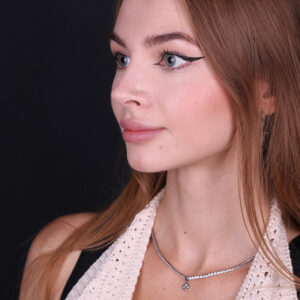
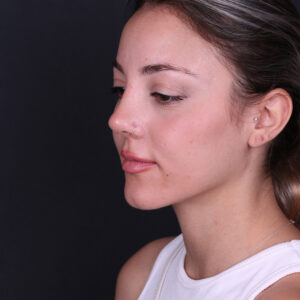
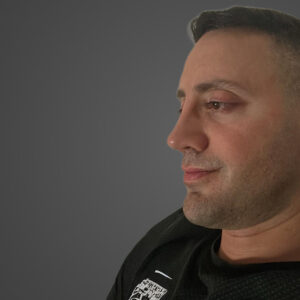
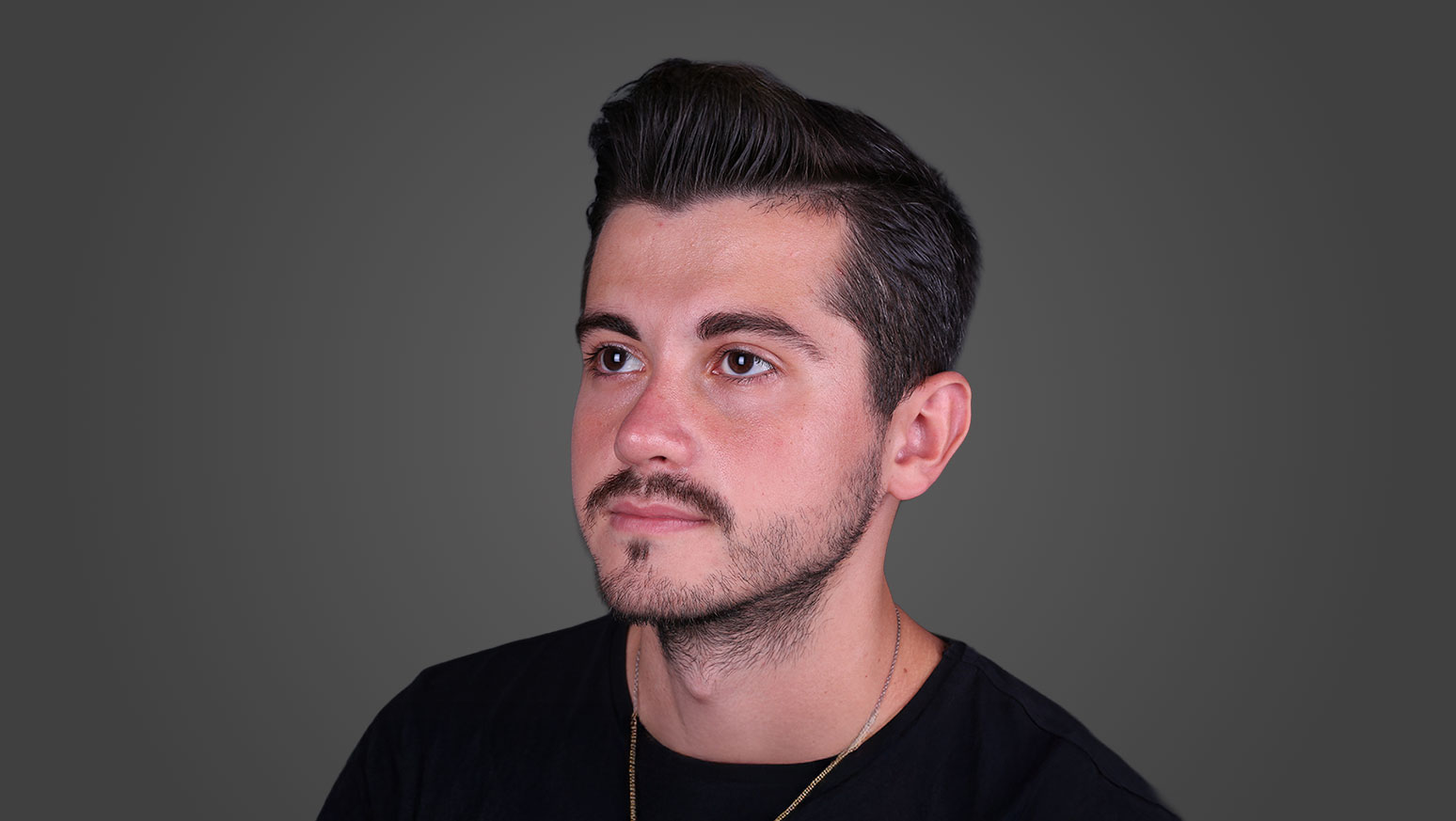
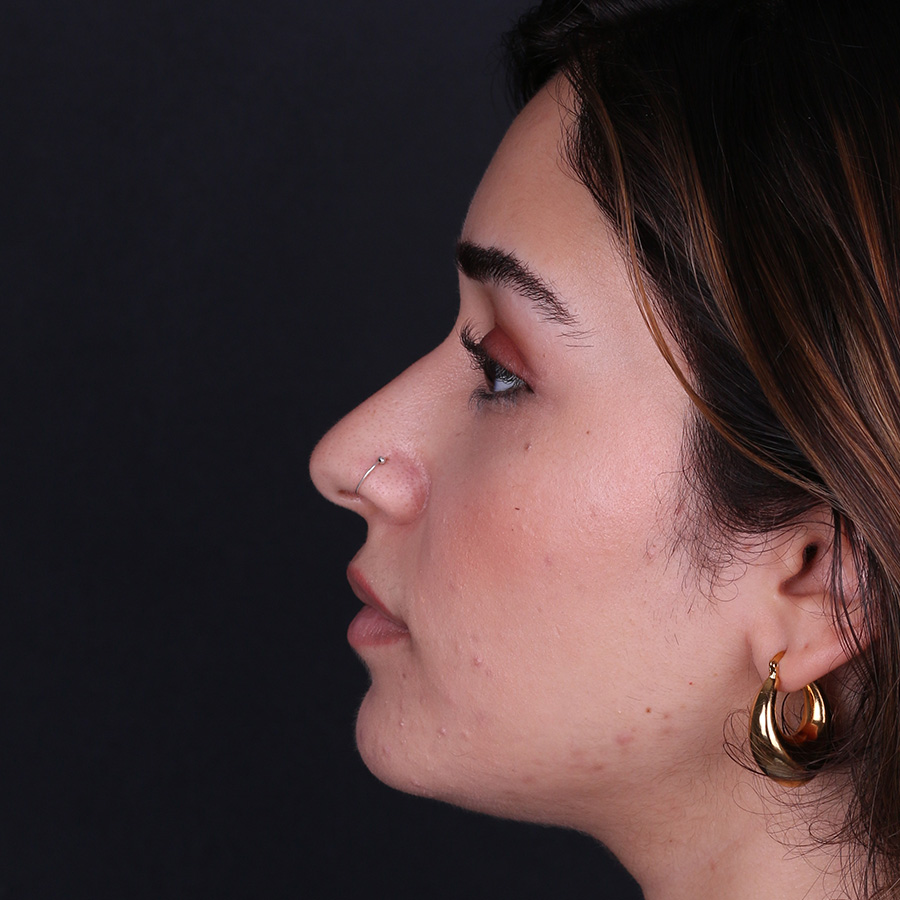
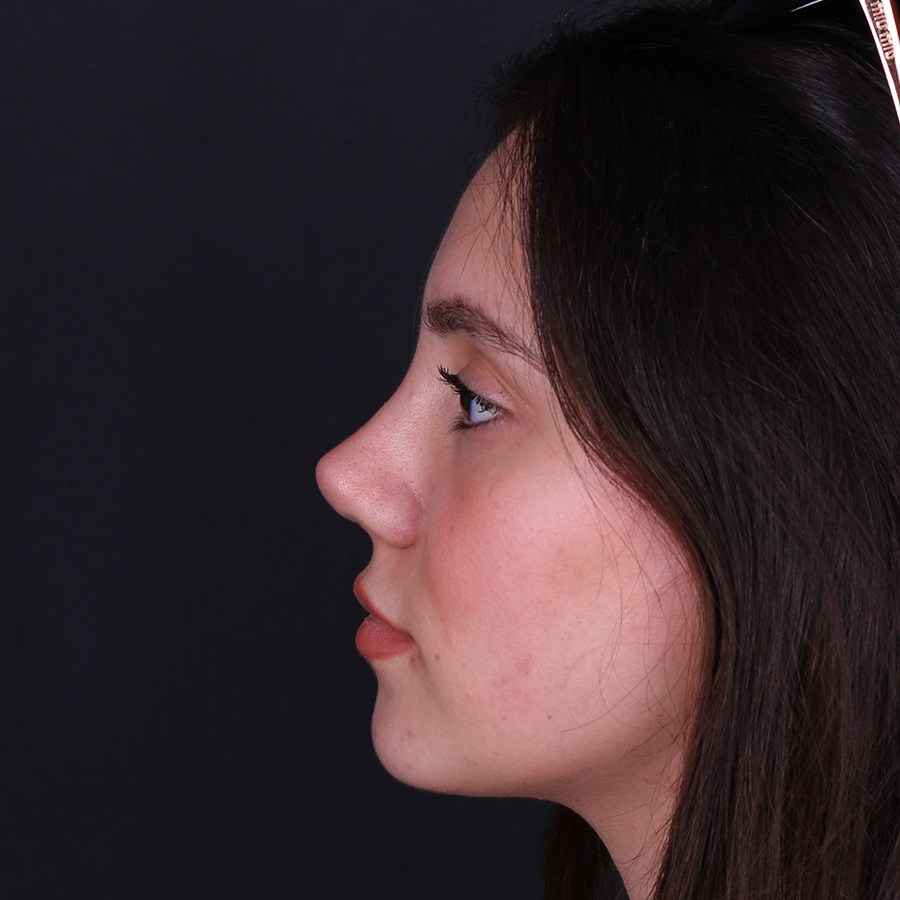
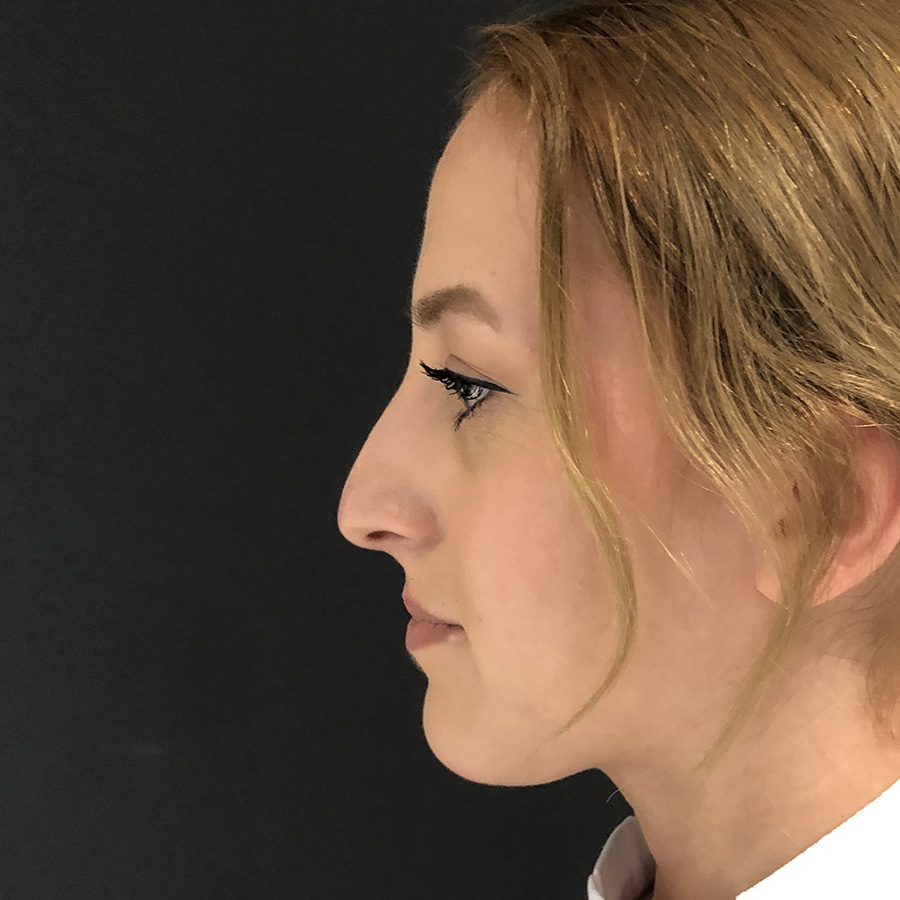
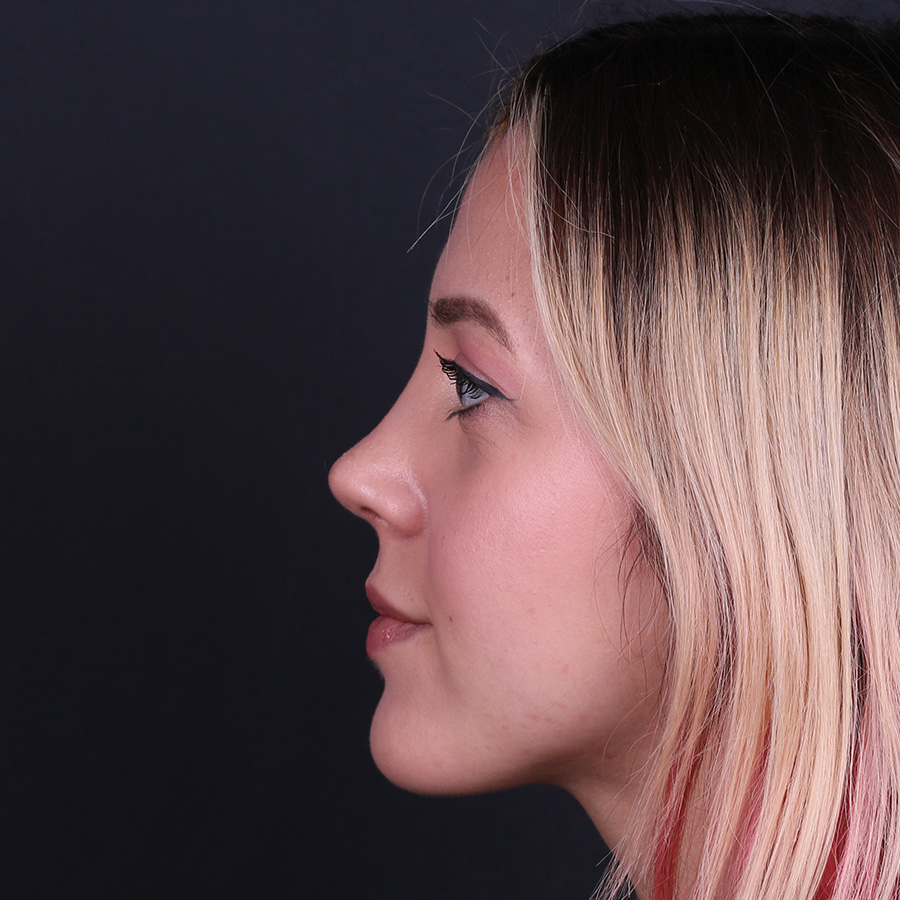
Real Patient Before & After Results


Considering otoplasty surgery?
A consultation can help determine the most appropriate technique for your ear anatomy and desired outcome.
Surgical Technique and Anaesthesia
Otoplasty is performed through an incision placed behind the ear, within the natural crease where the ear meets the head. This allows correction while keeping scars well concealed.
Depending on age and individual needs:
- Children usually undergo surgery under general anaesthesia
- Adults may have local or general anaesthesia
The surgical technique is selected based on cartilage structure, stability requirements, and aesthetic goals. All options are explained clearly before surgery.
Recovery and Healing Process
Recovery after otoplasty is generally fast and well tolerated.
Typical recovery includes:
- Mild pain and swelling during the first few days
- A surgical dressing worn continuously for the first week
- Use of a light headband at night for up to one month, if advised
- Return to work and social activities within 7 to 10 days
Final results continue to refine and stabilise over approximately 3 months.
Scarring and Skin Healing
Because the incision is placed behind the ear within the natural crease:
- Scars are well concealed
- Visible scarring is uncommon
- Scar lines fade progressively over time
Once healing is complete, scars are generally not noticeable.
Pain and Comfort After Surgery
Otoplasty is usually well tolerated.
Any discomfort is typically mild and temporary. Pain relief and aftercare guidance are provided to ensure comfort during recovery.
Are Otoplasty Results Permanent
Otoplasty results are long lasting.
The permanence of the outcome depends on the surgical technique used and individual healing. Once the final ear shape has stabilised, the result is generally maintained long term.
Risks of Otoplasty Surgery
As with any surgical procedure, potential risks exist. These may include:
- Infection
- Haematoma
- Asymmetry
- Anaesthesia-related risks
When performed by an experienced surgeon, otoplasty is considered a safe and reliable procedure.
Otoplasty – Frequently Asked Questions
Otoplasty is a surgical procedure performed to correct prominent ears (ears positioned too far away from the head) and poorly defined ear folds.
The surgery is carried out through an incision made behind the ear, and two main techniques are commonly used:
Suture-only technique
In this method, the ear cartilage is minimally altered or not altered at all. The ears are repositioned closer to the head and the folds are reshaped using sutures only. Since the correction relies mainly on sutures, a slight overcorrection is often required, as some relaxation may occur over time.
Cartilage-modifying technique
In this technique, the ear cartilage is reshaped and, if necessary, excess cartilage is removed. The ears are then repositioned closer to the head using sutures. Because cartilage modification is involved, less overcorrection is required, and the result tends to be more stable.
Otoplasty can be performed in patients:
- From the age of 5 to 6 years, once ear development is largely complete
- With prominent ears
- With poorly defined ear folds
- With congenital or acquired ear shape deformities
Both children and adults are suitable candidates.
The procedure takes approximately 2 hours.
- In children, otoplasty is usually performed under general anaesthesia
- In adults, it can be performed under local or general anaesthesia, depending on patient preference and surgical planning
The incision is placed behind the ear, typically within the natural crease where the ear meets the head.
For this reason, scars are well concealed and generally not visible.
- Mild pain and swelling may occur during the first few days
- A surgical dressing and bandage are applied immediately after surgery
- This bandage is worn continuously for one week
- If healing is normal at the first week follow up, patients are advised to wear a light headband at night for up to one month
- Both surgical bandages and headbands should not be overly tight
Otoplasty is generally a fast recovery procedure. Most patients return to work and social activities within 7 to 10 days, while final results may take up to 3 months to fully settle.
As with any surgical procedure, otoplasty carries rare but possible risks, including:
- Infection
- Haematoma
- Asymmetry
- Anaesthesia-related risks
When performed by an experienced surgeon, otoplasty is considered a safe procedure.
The permanence of the result depends on the technique used:
- With the suture-only technique, a small degree of relaxation may occur after healing, but once the final shape is established, the result is generally stable
- With the cartilage-modifying technique, results are usually very close to the immediate postoperative appearance and permanent
Yes. When otoplasty is performed appropriately and tailored to the individual, ears that previously appeared prominent will achieve a more natural, balanced, and harmonious appearance.

Why Choose Us for Otoplasty

Expertise in facial and ear anatomy
Dr Ali Alper Bayram applies detailed anatomical knowledge to achieve natural ear positioning without overcorrection.

Careful planning and refined surgical technique
Each otoplasty is planned individually, respecting cartilage structure and long term stability.

Complete care and dedicated UK patient support
From consultation to follow up, UK patients receive clear guidance, travel assistance, and continuity of care throughout the entire process.