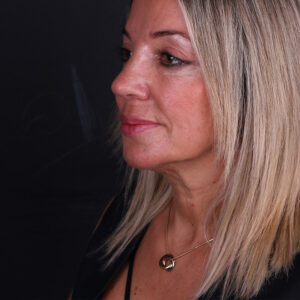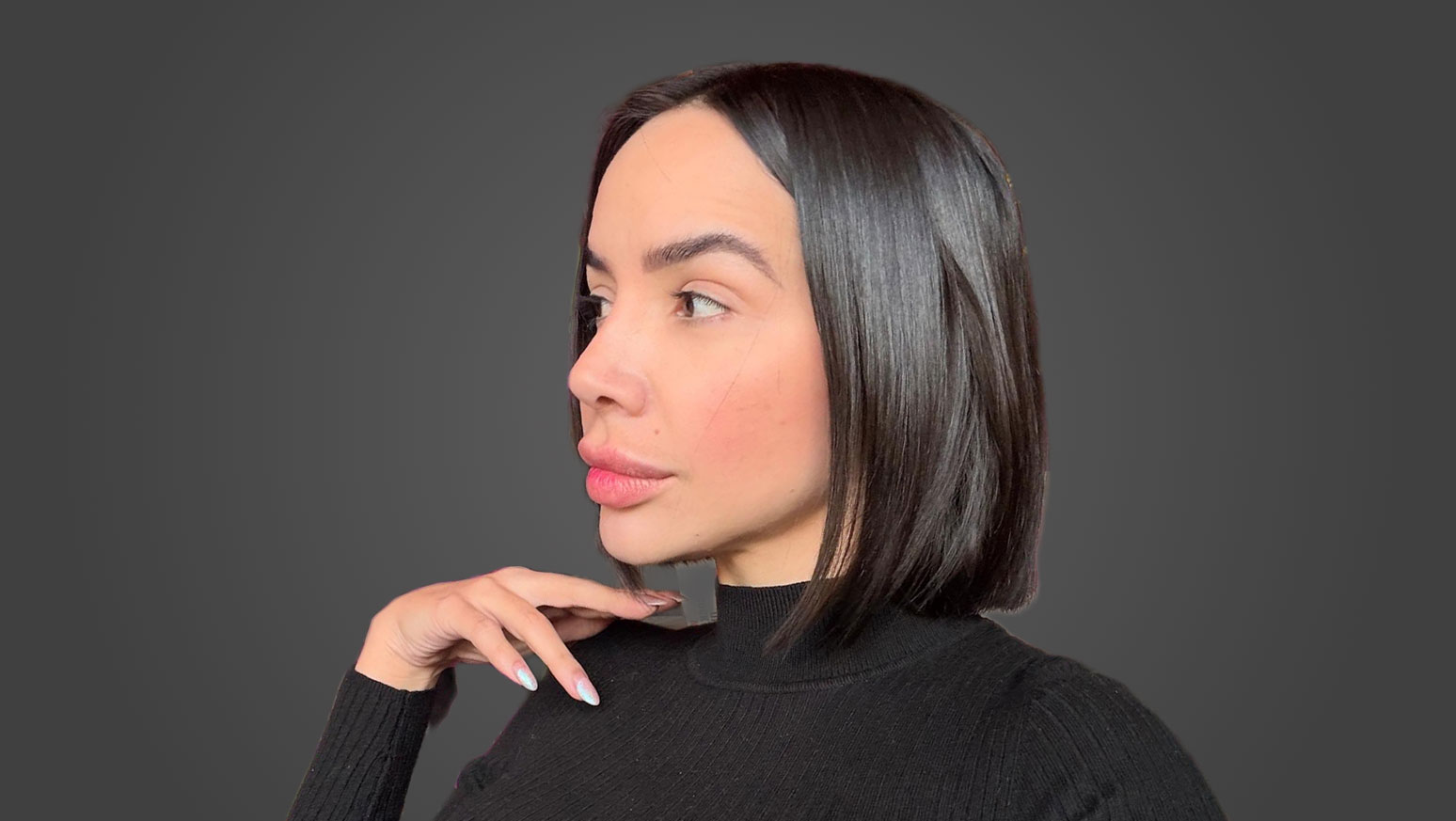
★★★★★ Rated Excellent on WhatClinic
Deep Plane Facelift
in Turkey
- Individualised facial assessment
- Focus on natural facial proportion and balance
- Permanent surgical alternative to non surgical treatments
- Full guidance and support for UK patients
Deep Plane Facelift in Turkey
An advanced surgical approach to natural facial rejuvenation
Facial ageing affects the deeper support structures of the face, leading to sagging in the cheeks, loss of jawline definition and heaviness in the lower face and neck.
A deep plane facelift is an advanced surgical technique designed to restore facial balance by repositioning deeper tissues rather than simply tightening the skin. This approach allows for natural looking rejuvenation while preserving facial expression and identity.
Under the care of Dr Ali Alper Bayram, deep plane facelift surgery is planned using a precise anatomical approach, focusing on long term stability, natural proportions and harmonious facial outcomes.
Understanding Deep Plane Facelift Surgery
A deep plane facelift is not a surface level procedure. It involves lifting the deeper facial layers, including the SMAS (Superficial Musculoaponeurotic System), allowing the skin to redrape naturally without tension.
By addressing the underlying cause of facial sagging, this technique provides more durable and natural results compared to traditional facelift methods.
This procedure is particularly suitable for patients who:
- Have sagging in the cheeks and jawline
- Show deep nasolabial folds
- Experience loss of lower face definition
- Seek long lasting, natural rejuvenation
Rather than altering facial features, the goal is to restore youthful structure and balance.
Setting Realistic Expectations
A deep plane facelift significantly improves facial position and contour, but it does not stop the natural ageing process.
The most satisfying results occur when expectations are realistic and aligned with facial anatomy. The aim is rejuvenation and balance, not an artificial or over tightened appearance.
A thorough consultation is essential to determine suitability and define achievable outcomes.
Who Is Suitable for a Deep Plane Facelift
Deep plane facelift surgery may be suitable for adults who:
- Notice significant sagging in the lower face and neck
- Feel their facial appearance looks aged or heavy
- Have good general health and realistic expectations
- Seek a long term surgical solution rather than temporary treatments
Final suitability is confirmed through a full facial and medical assessment.
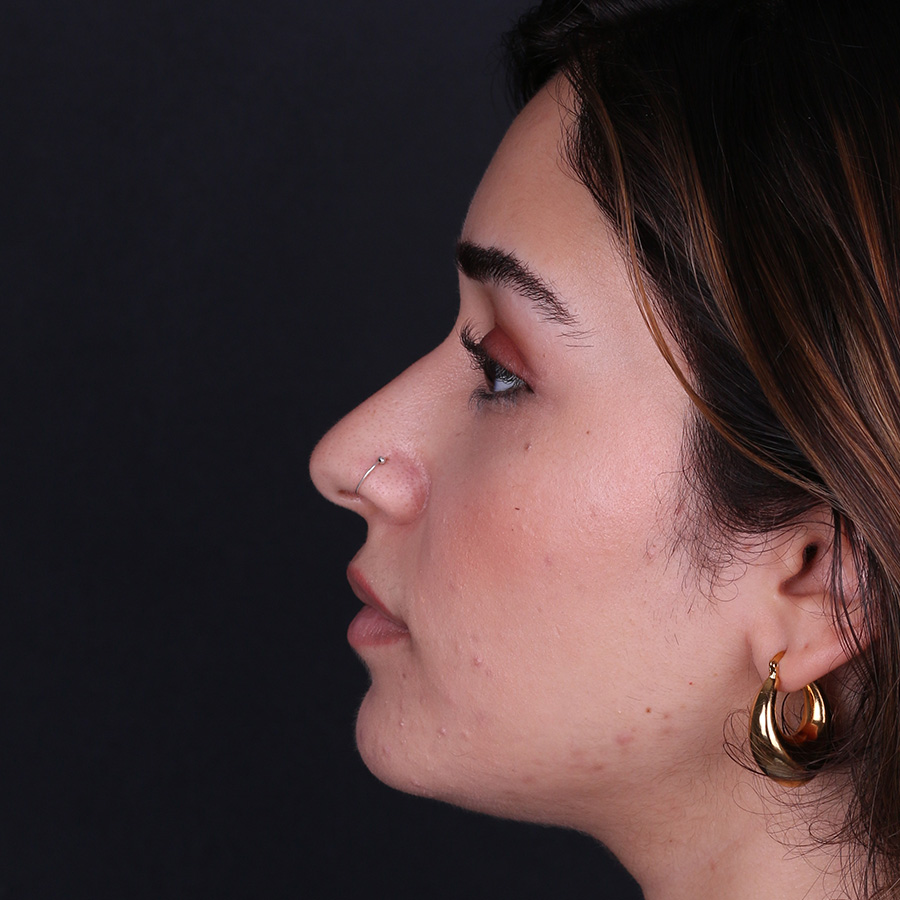
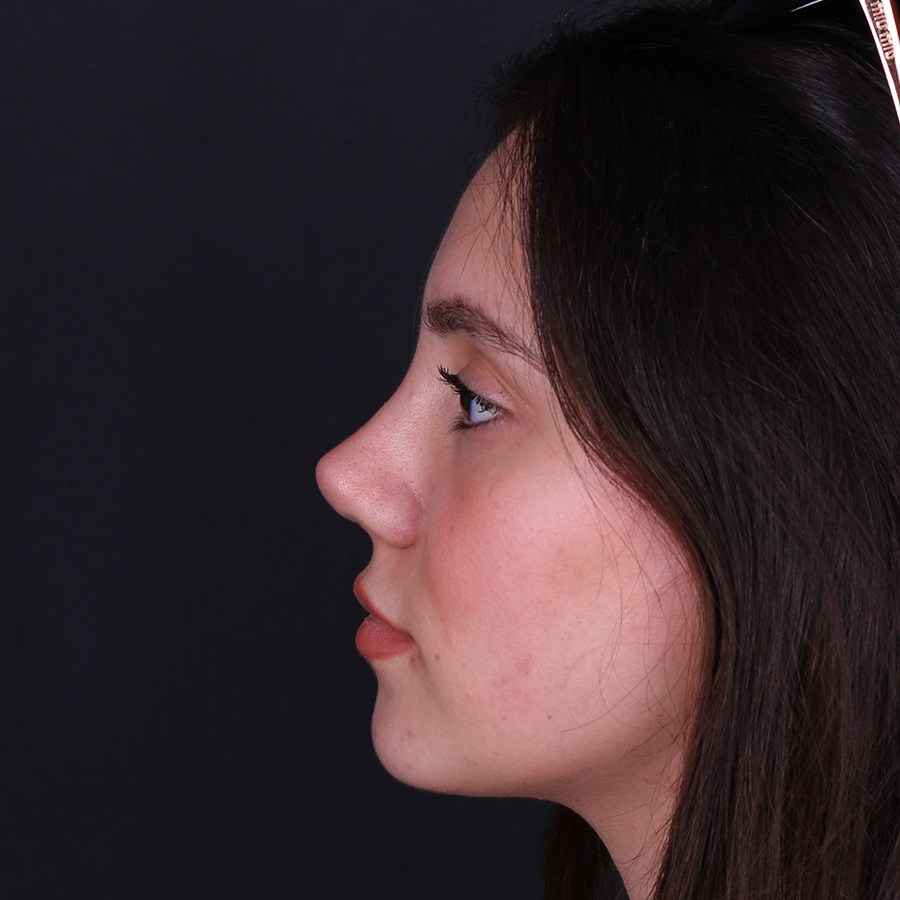
Real Patient Before & After Results


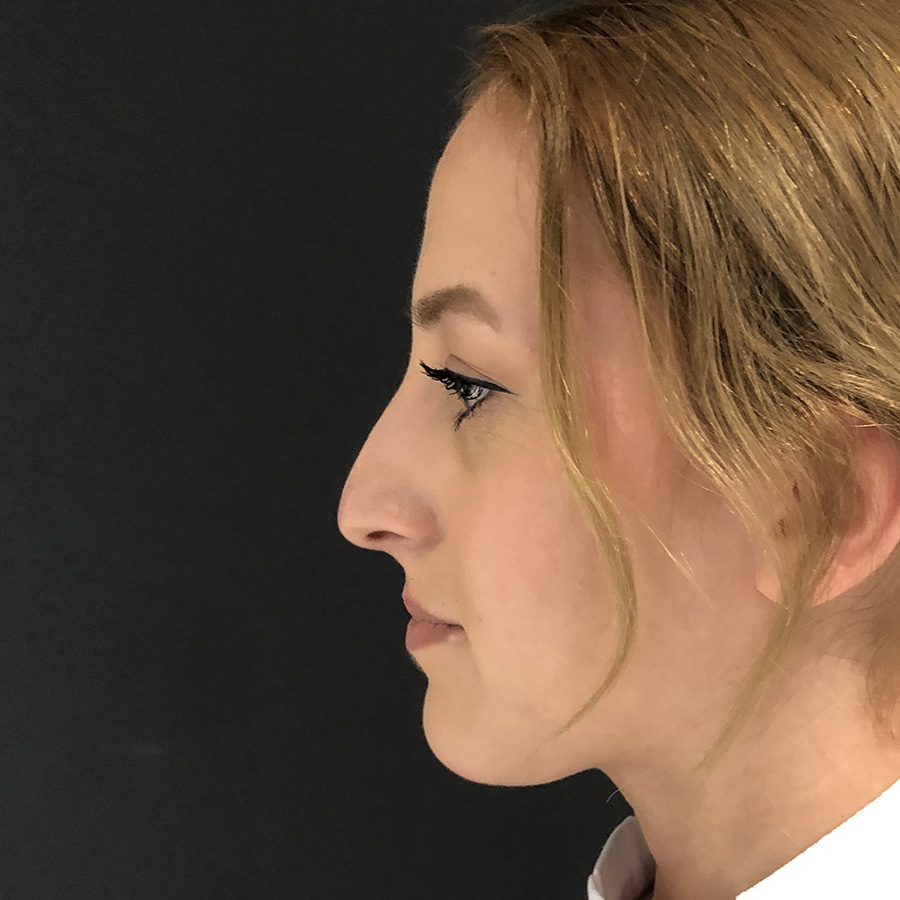
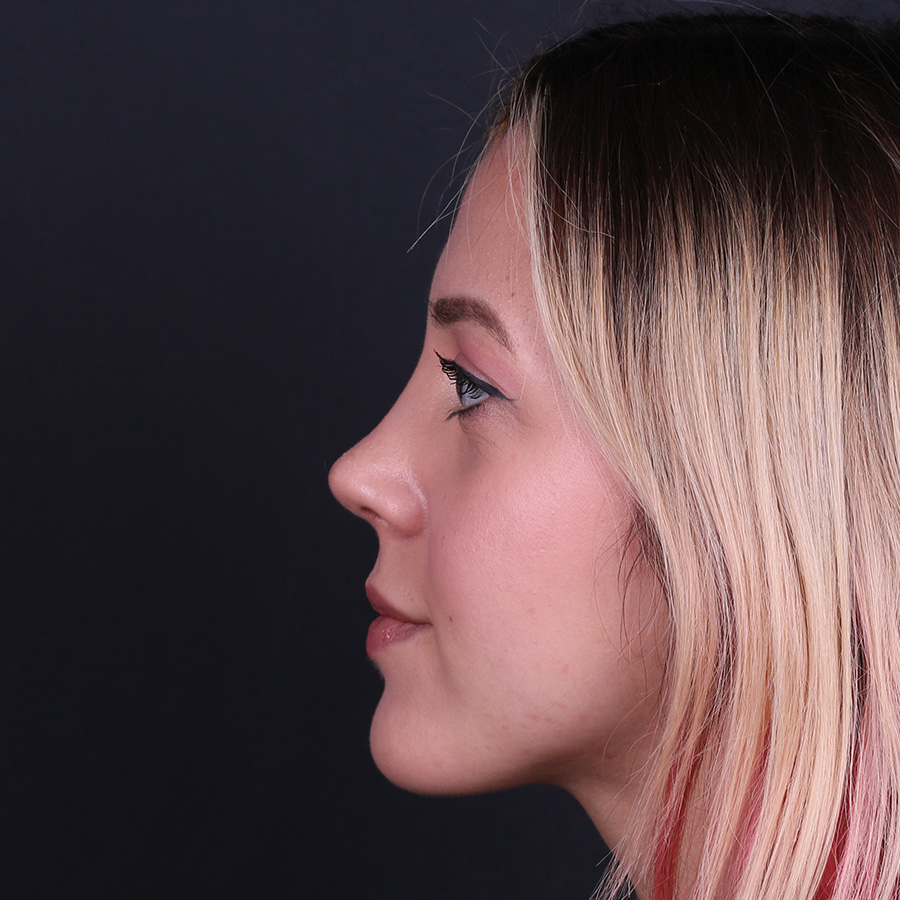
Considering a Deep Plane Facelift
A personalised consultation helps determine whether a deep plane facelift is the most appropriate option based on facial anatomy, degree of ageing and aesthetic goals.
Surgical Technique and Anaesthesia
Deep plane facelift surgery is performed under:
- General anaesthesia.
During the procedure:
- Incisions are placed around the front of the ear and extended discreetly into the hairline
- Deeper facial tissues are carefully released and repositioned
- The skin is redraped naturally without excessive tension
The surgical plan is tailored to each patient, based on:
- Facial structure
- Extent of ageing changes
- Desired level of rejuvenation
All aspects of the procedure are explained clearly before surgery.
Recovery and Healing Process
Recovery after a deep plane facelift is progressive and well managed.
Patients may experience:
- Swelling and bruising during the early postoperative period
- Tightness or mild discomfort
- Temporary numbness in some facial areas
Postoperative guidance includes:
- Sleeping with the head elevated
- Wearing a supportive facial garment for approximately 2 weeks
- Avoiding strenuous activity during early healing
Most patients return to work and social activities after around 2 weeks.
While swelling reduces significantly within the first few months, final results may take 6 to 12 months to fully settle.
Deep Plane Facelift – Frequently Asked Questions
A deep plane facelift is an advanced facial rejuvenation procedure that lifts both the skin and deeper facial layers, including the SMAS. This technique is widely chosen by patients seeking natural looking and long lasting facelift results. Incisions are placed around the ear and extended discreetly into the hairline to allow safe access to deeper tissues.
Patients with sagging in the cheeks, jawline and deep nasolabial folds are ideal candidates. The procedure is particularly suitable for individuals aged 40 and above seeking durable facial rejuvenation.
Surgery typically takes around 4 hours, depending on individual anatomy and whether additional procedures are performed. The procedure is carried out under general anaesthesia to ensure comfort and safety.
Swelling and bruising are common initially. Sleeping with the head elevated is recommended and a supportive facial garment is worn for approximately 2 weeks. Most patients return to work after around 2 weeks. Final results may take up to 12 months to fully stabilise.
Some scarring is possible, but incisions are strategically placed around the ear and within the hairline, making scars well hidden in most patients.
International patients are usually advised to remain in Istanbul for at least 7 days after surgery to allow early follow up and safe recovery before flying.
Temporary numbness or mild weakness may occur due to swelling near facial nerves. These effects are usually temporary. General surgical risks include anaesthesia related risks, infection, bleeding or haematoma. Serious complications are rare when surgery is performed by an experienced surgeon.
Yes. Results are long lasting, with most patients maintaining a rejuvenated appearance for approximately 10 years.
A deep plane facelift targets deeper facial structures, produces more natural and youthful results, reduces tension on the skin, and minimises visible scarring compared to traditional techniques.
Costs vary depending on individual needs and surgical complexity. In Turkey, deep plane facelift surgery is more affordable than in the UK, Europe and the USA, while maintaining high medical standards. For an accurate quote, patients are encouraged to request a free personalised consultation.

Why Choose Us for Deep Plane Facelift

Expertise in advanced facial anatomy
Dr Ali Alper Bayram applies detailed anatomical knowledge to ensure each deep plane facelift restores balance without altering natural expression.

Precise planning and refined surgical technique
Each procedure is planned individually, focusing on proportion, symmetry and long term aesthetic stability.

Complete care and dedicated UK patient support
From consultation to follow up, UK patients receive clear guidance, travel assistance and continuity of care throughout their treatment journey.