
Introduction
UK patients often consider revision rhinoplasty in Turkey when a previous nose surgery does not achieve the expected outcome.
Some patients are unhappy with the appearance. Others experience breathing difficulties after rhinoplasty. In both cases, a second nose surgery requires careful assessment and specialist planning.
Revision rhinoplasty is more complex than primary surgery. The nasal structure has already been altered. Cartilage may be weakened. Scar tissue may limit flexibility.
This guide explains when revision rhinoplasty is needed, why it is more challenging and what UK patients should know before proceeding.
What Is Revision Rhinoplasty?
Revision rhinoplasty is a second nose surgery performed after an initial rhinoplasty.
Unlike primary rhinoplasty, revision surgery must correct previous structural changes. This may involve:
- Restoring nasal support
- Correcting asymmetry
- Improving airflow
- Refining over-reduced areas
If you are considering first-time surgery, you can read our guide on Primary Rhinoplasty for UK Patients
Why Do UK Patients Seek Revision Rhinoplasty?
1. Dissatisfaction With Cosmetic Results
Some patients feel their nose looks unnatural or unbalanced after surgery. Common concerns include:
- Irregular nasal bridge
- Pinched tip
- Drooping nasal tip
- Visible asymmetry
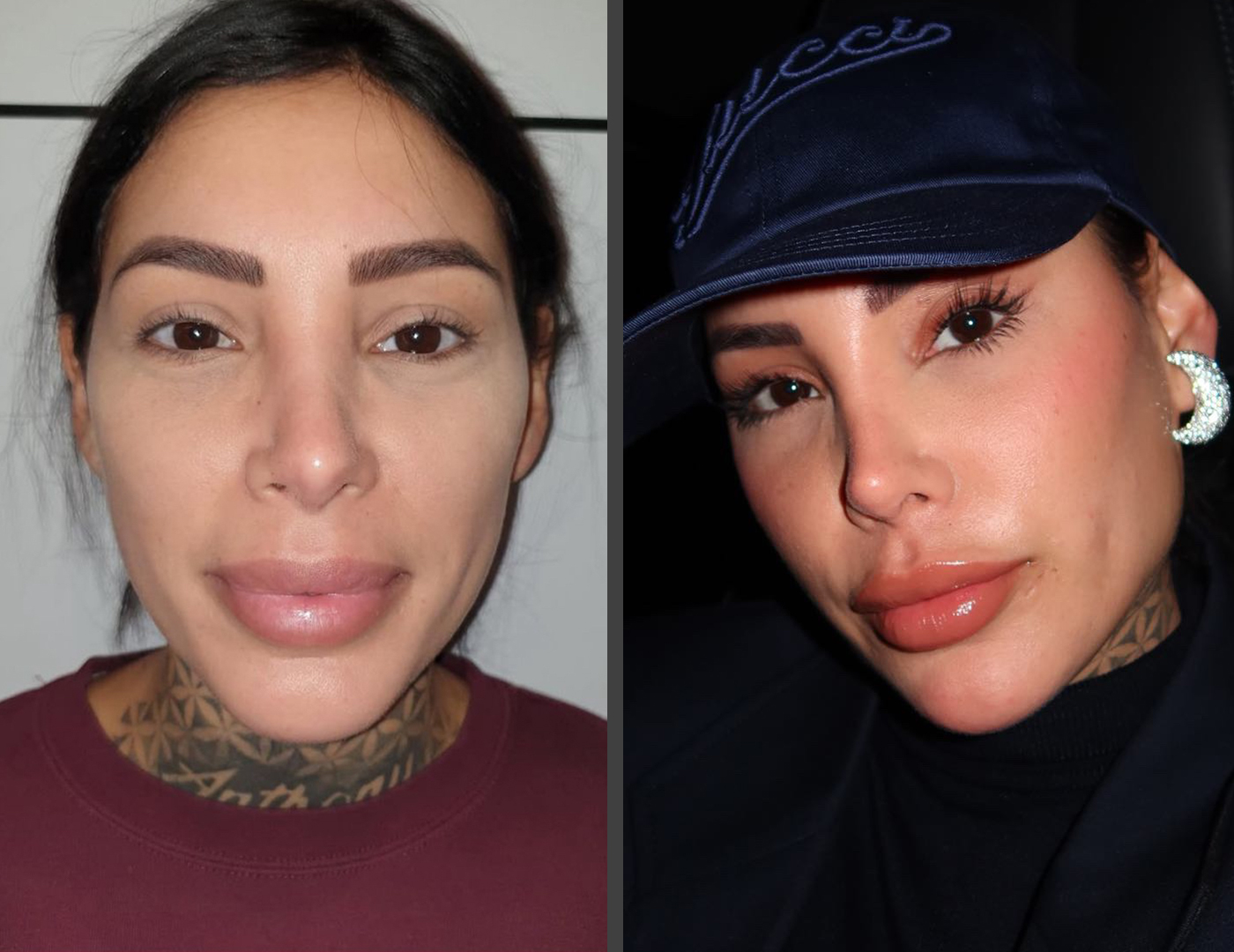
In revision rhinoplasty, the goal is not dramatic change. The aim is proportion, stability and natural integration with the face.
You can view real long-term outcomes in our Patient Stories section.
2. Breathing Problems After Rhinoplasty
Breathing difficulty after rhinoplasty is a serious functional issue.
This can occur if:
- Too much cartilage was removed
- The internal nasal valve was narrowed
- Structural support was weakened
3. Structural Collapse Over Time
In some cases, the nasal structure becomes unstable months or years after surgery. This may lead to:
- Nasal tip drooping
- Collapse during breathing
- Narrowed airway
- Visible deformity
In revision rhinoplasty, structural reinforcement is often required. Septal cartilage may no longer be available. In selected cases, rib cartilage is preferred due to its strength and long-term reliability.
Why Revision Rhinoplasty Is More Complex
Revision rhinoplasty is technically demanding because:
- The anatomy has already been changed
- Scar tissue limits surgical flexibility
- Cartilage may be insufficient
- Skin thickness affects refinement
Each case must be assessed individually. Conservative planning is essential.
You can read more about surgical planning in our article Natural Rhinoplasty for UK Patients.
When Should You Consider a Second Nose Surgery?
Revision rhinoplasty should only be considered when healing from the first procedure is complete.
In most cases:
- At least 12 months should have passed
- Swelling must be fully resolved
- Concerns must be stable
Operating too early increases risk and reduces predictability.
A structured consultation determines whether revision surgery is appropriate or whether further healing is advised.
What Happens During a Revision Rhinoplasty Consultation?
A detailed consultation includes:
- Full nasal structure analysis
- Breathing assessment
- Review of previous surgery
- Skin quality evaluation
- Honest discussion of realistic outcomes
Understanding patient expectations is critical. When expectations do not align with anatomical possibilities, dissatisfaction is more likely.
Clear alignment before surgery significantly improves long-term satisfaction.
Long-Term Results in Revision Rhinoplasty
The objective of revision rhinoplasty is stability, not exaggeration.
Successful outcomes focus on:
- Structural strength
- Natural appearance
- Facial harmony
- Functional breathing
You can explore complex long-term cases such as Nicole’s revision rhinoplasty
Long-term stability is always prioritised over temporary visual impact.
Frequently Asked Questions
Is revision rhinoplasty more difficult than primary rhinoplasty?
Yes. Revision surgery is more complex due to altered anatomy and scar tissue. It requires advanced structural planning.
How long should I wait before revision rhinoplasty?
Most patients should wait at least 12 months after their first surgery.
Is rib cartilage necessary in revision rhinoplasty?
Not always. However, in many cases septal cartilage is insufficient. Rib cartilage provides stronger support when required.
Can breathing problems be corrected during revision surgery?
Yes. Functional correction can be performed alongside aesthetic refinement.
Do UK patients travel to Turkey for revision rhinoplasty?
Yes. Many UK patients seek specialist expertise when previous surgery has not delivered stable or natural results.
Considering Revision Rhinoplasty in Turkey?
If you are a UK patient concerned about the outcome of previous nose surgery, a personalised consultation allows for careful and honest evaluation.
Revision rhinoplasty requires structural expertise, precision and realistic planning.
To receive professional guidance tailored to your anatomy and surgical history:
Book your free consultation
Dr Ali Alper Bayram
+90 212 945 7390
info@noseandfacesurgery.co.uk