
★★★★★ Rated Excellent on WhatClinic
Ear Surgery
in Turkey
- Individualised ear and facial assessment
- Focus on natural ear position and symmetry
- Long term surgical correction of ear concerns
- Full guidance and support for UK patients
Ear Surgery in Turkey for UK Patients
A structured surgical approach to ear shape and position
The shape and position of the ears play an important role in overall facial balance. Even subtle irregularities can draw attention and affect self confidence in both children and adults.
Ear surgery includes a group of procedures designed to correct prominent ears, poorly defined ear folds and certain congenital or acquired ear shape concerns. The goal is always to achieve natural proportions that harmonise with the face.
Under the care of Dr Ali Alper Bayram, ear surgery is planned using a conservative and anatomical approach, focusing on long term stability and natural appearance rather than overcorrection.
Understanding Ear Surgery Procedures
Ear surgery is not a single fixed procedure. The surgical approach is selected based on:
- Ear cartilage structure
- Degree of prominence or asymmetry
- Skin quality
- Age of the patient
- Desired level of correction
The most common ear surgery procedure is otoplasty (ear pinning), which aims to reposition the ears closer to the head and improve ear fold definition.
Each surgical plan is tailored individually to achieve balanced and harmonious results.
Setting Realistic Expectations
Ear surgery provides long lasting improvement in ear position and shape. However, minor differences between ears are natural, as perfect symmetry does not exist in the human face.
The most satisfying outcomes are achieved when expectations are realistic and discussed clearly during consultation. The objective is natural improvement, not perfection.
Who Is Suitable for Ear Surgery
Ear surgery may be suitable for patients who:
- Have ears that protrude excessively
- Have poorly defined ear folds
- Experience self confidence concerns related to ear appearance
- Are in good general health
Ear surgery can be performed in both children and adults, depending on individual anatomy and clinical indication. Final suitability is confirmed through a full medical and anatomical assessment.
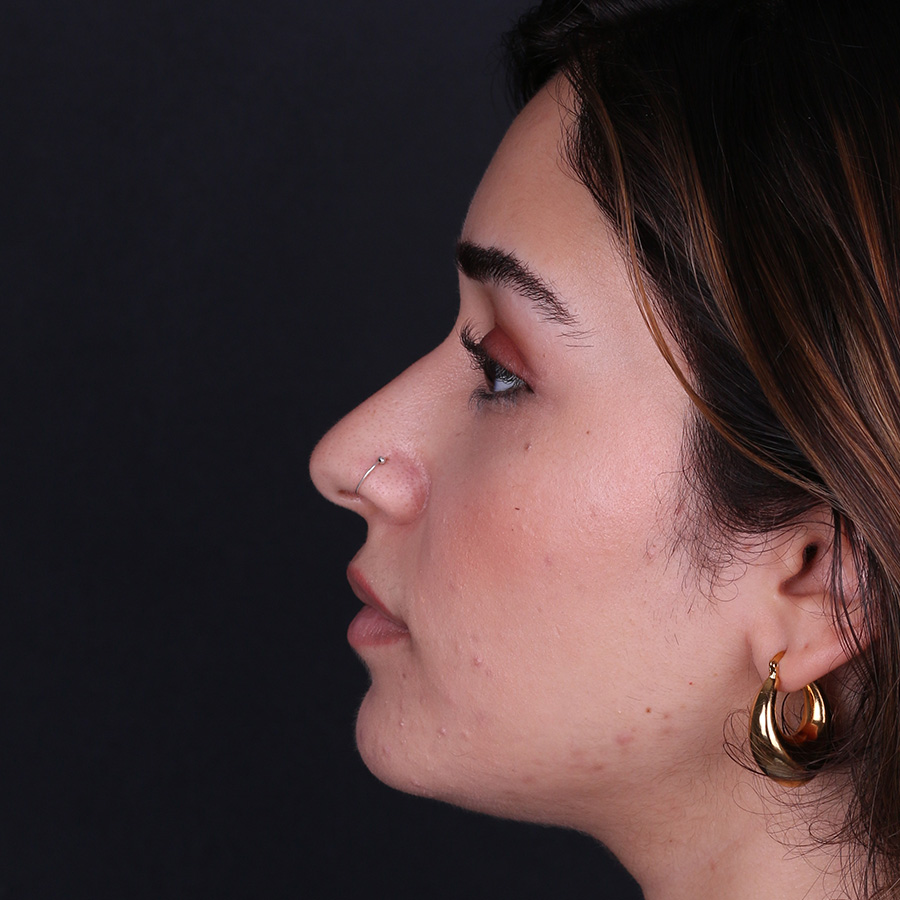
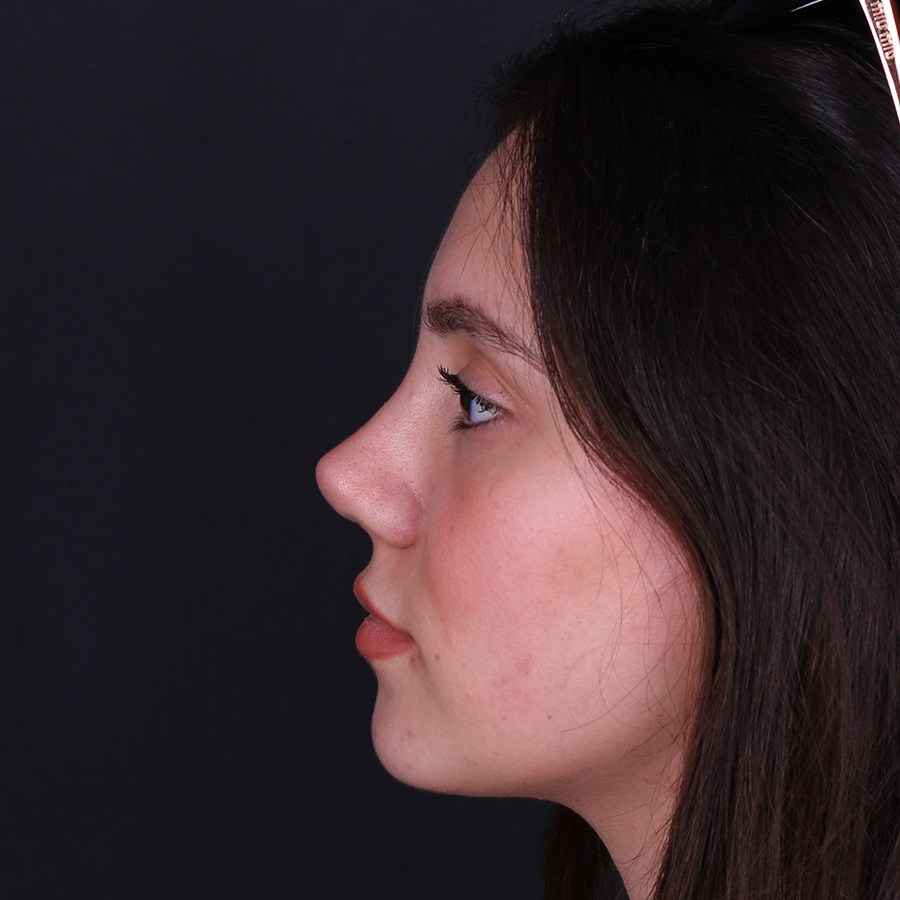
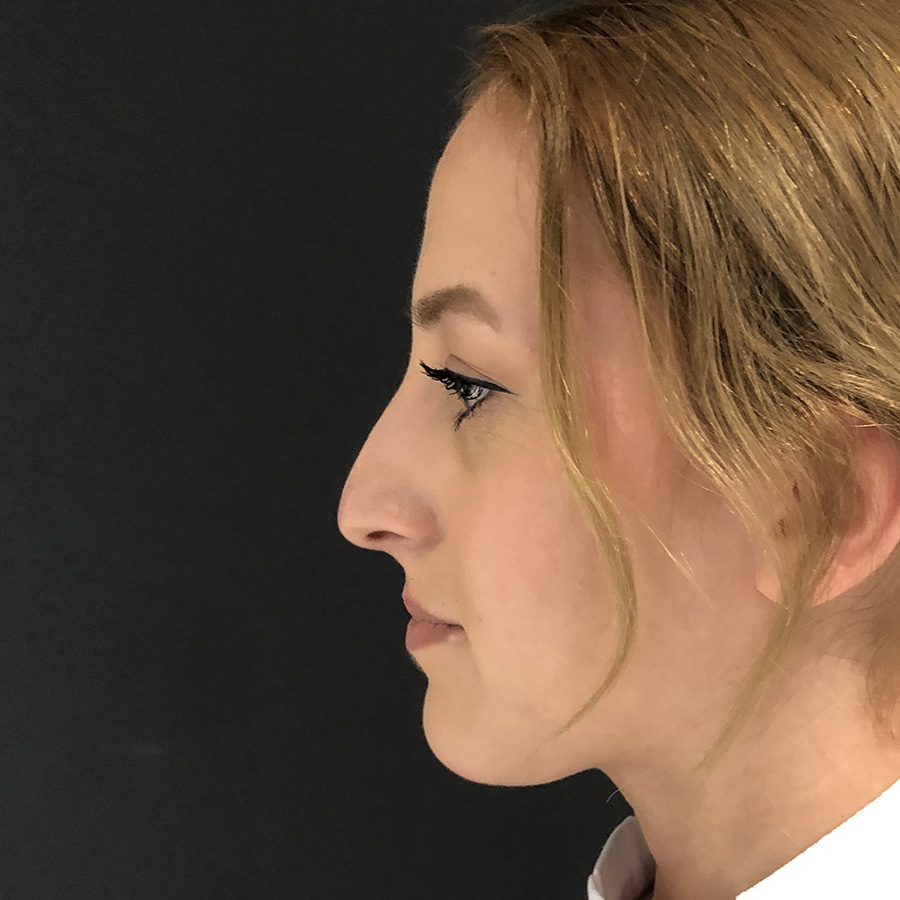
Real Patient Before & After Results


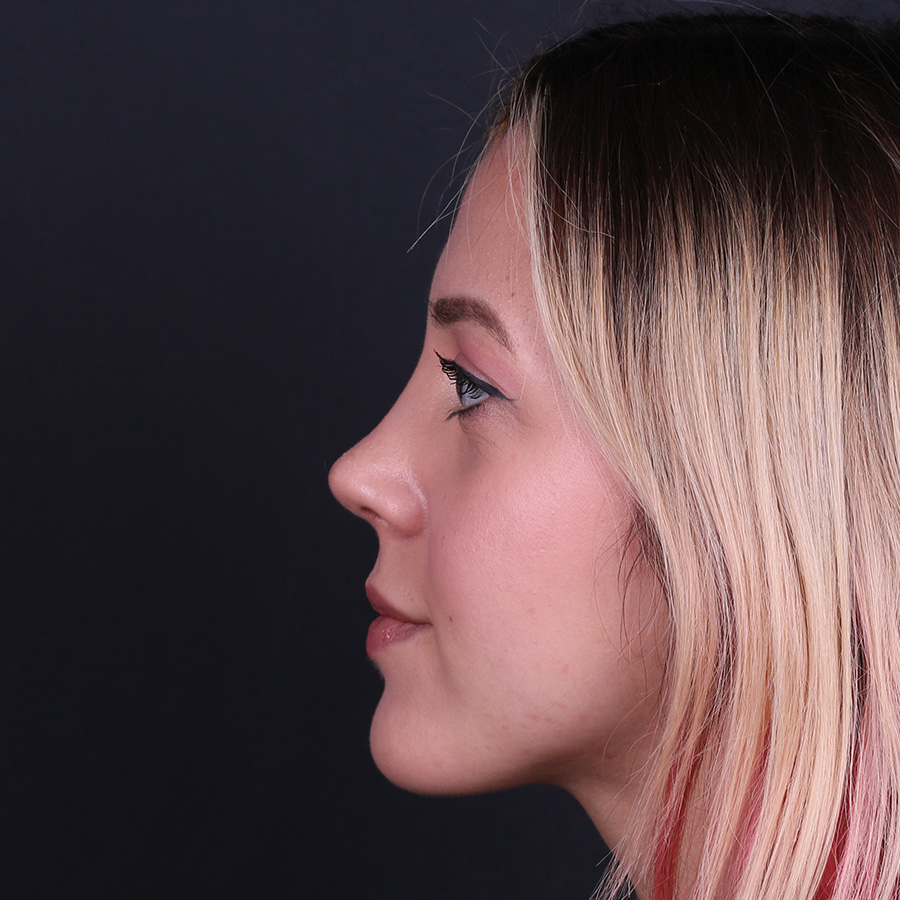
Considering Ear Surgery
A consultation allows detailed evaluation of ear anatomy and facial proportions to determine the most appropriate surgical approach and expected outcome.
Surgical Technique and Anaesthesia
Ear surgery is typically performed through incisions placed behind the ear, within the natural crease where the ear meets the head. This allows correction while keeping scars well concealed.
Depending on age and individual needs:
- Children usually undergo surgery under general anaesthesia
- Adults may have local or general anaesthesia
The surgical technique is selected based on cartilage structure, stability requirements and aesthetic goals. All options are explained clearly before surgery.
Recovery and Healing Process
Recovery after ear surgery is generally fast and well tolerated.
Patients may experience:
- Mild discomfort around the ears
- Temporary swelling during the first few days
A surgical dressing and supportive bandage are applied immediately after surgery.
- Dressings are usually checked after 24–48 hours
- The surgical bandage is worn continuously for one week
After the first week, patients are often advised to wear a light headband at night for up to one month to protect the ears during sleep.
Most patients:
- Return to work and social activities within 7 to 10 days
- See early results within the first week
- Achieve final results within approximately 3 months
Scarring and Skin Healing
Because incisions are placed behind the ear within the natural crease:
- Scars are well concealed
- Visible scarring is uncommon
- Scar lines fade progressively over time
Once healing is complete, scars are generally not noticeable.
Ear Surgery – Frequently Asked Questions
Ear surgery includes procedures designed to correct prominent ears, improve ear fold definition and restore balanced ear position.
Otoplasty is the most common type of ear surgery. Ear surgery is a broader term that includes otoplasty and other corrective ear procedures.
Ear surgery can usually be performed from around 5 to 6 years of age, once ear development is largely complete. Adults of all ages may also be suitable candidates.
The procedure typically takes around 2 hours, depending on the technique used and individual anatomy.
Most patients return to work or school within 7 to 10 days. Swelling continues to improve over several weeks, with final results visible by around 3 months.
Yes. When planned appropriately, ear surgery restores natural ear position and proportions without an artificial appearance.
Real Stories from Our Patients
Why Choose Us for Ear Surgery

Expertise in facial and ear anatomy
Dr Ali Alper Bayram applies detailed anatomical knowledge to achieve natural ear positioning without overcorrection.

Careful planning and refined surgical technique
Each ear surgery procedure is planned individually, respecting cartilage structure and long term stability.

Complete care and dedicated UK patient support
From consultation to follow up, UK patients receive clear guidance, travel assistance and continuity of care throughout the entire process.
