★★★★★ Rated Excellent on WhatClinic
Facelift
in Turkey
- Individualised facial assessment and planning
- Focus on natural lifting and facial balance
- Upper face and midface rejuvenation options
- Full guidance and support for UK patients
Facelift in Turkey for UK Patients
A structured medical approach to facial rejuvenation
Facial ageing affects different areas of the face in different ways. Changes in skin elasticity, soft tissue position and underlying support structures can lead to heaviness, sagging and loss of definition, particularly in the upper and midface.
Facelift procedures aim to restore facial balance by repositioning tissues rather than simply tightening the skin. The objective is a refreshed, natural appearance that respects facial anatomy, facial expression and individual identity.
Under the care of Dr Ali Alper Bayram, facelift surgery is planned using a conservative and anatomical approach, focusing on long term stability and facial harmony rather than aggressive lifting.
Understanding Facelift Procedures
Facelift surgery is not a single technique, but a group of procedures tailored to specific facial areas and ageing patterns.
Facial lifting procedures can generally be classified into two main groups.
Upper and Midface Lifting Procedures
These procedures focus on rejuvenating the upper and central areas of the face, where early signs of ageing often appear.
Common upper and midface procedures include:
- Forehead lift
- Temporal lift
- Brow lift
- Endoscopic midface lift
These procedures may be performed individually or combined, depending on facial anatomy, skin quality and aesthetic goals.
Rather than altering facial identity, the aim is to restore proportions and reduce visible signs of ageing while preserving natural movement.
Deep Plane Facelift and Neck Lift
This group of procedures addresses more advanced facial ageing involving the lower face, jawline and neck.
By working on deeper anatomical layers, these techniques allow for comprehensive tissue repositioning and long term facial support. Detailed information about this approach is available on the dedicated Deep Plane Facelift page.
Setting Realistic Expectations
Facelift surgery improves facial position, contour and balance, but it does not stop the natural ageing process.
The goal is a refreshed and harmonious appearance, not a dramatic or artificial change. Clear discussion during consultation helps ensure realistic and satisfying outcomes.
Who Is Suitable for Facelift Surgery
Facelift procedures may be suitable for adults who:
- Notice sagging or heaviness in the upper or midface
- Feel their facial appearance looks tired or aged
- Have good general health and skin quality
- Wish to improve facial balance while maintaining natural expression
Suitability is always confirmed through a full facial and medical assessment.
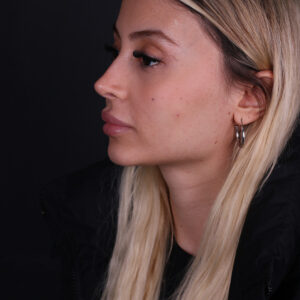
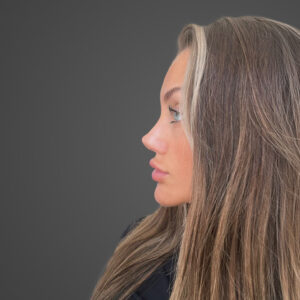
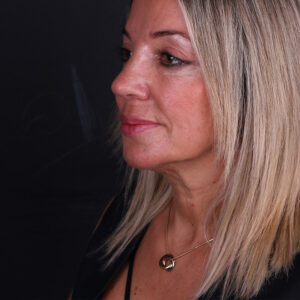
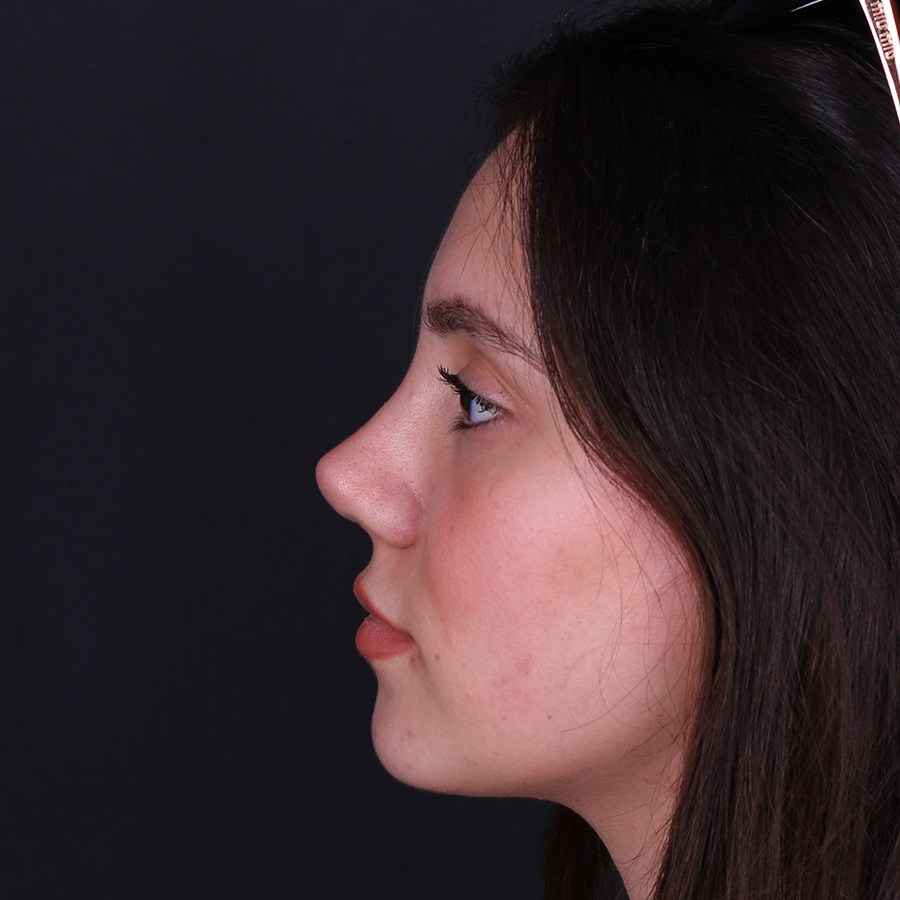
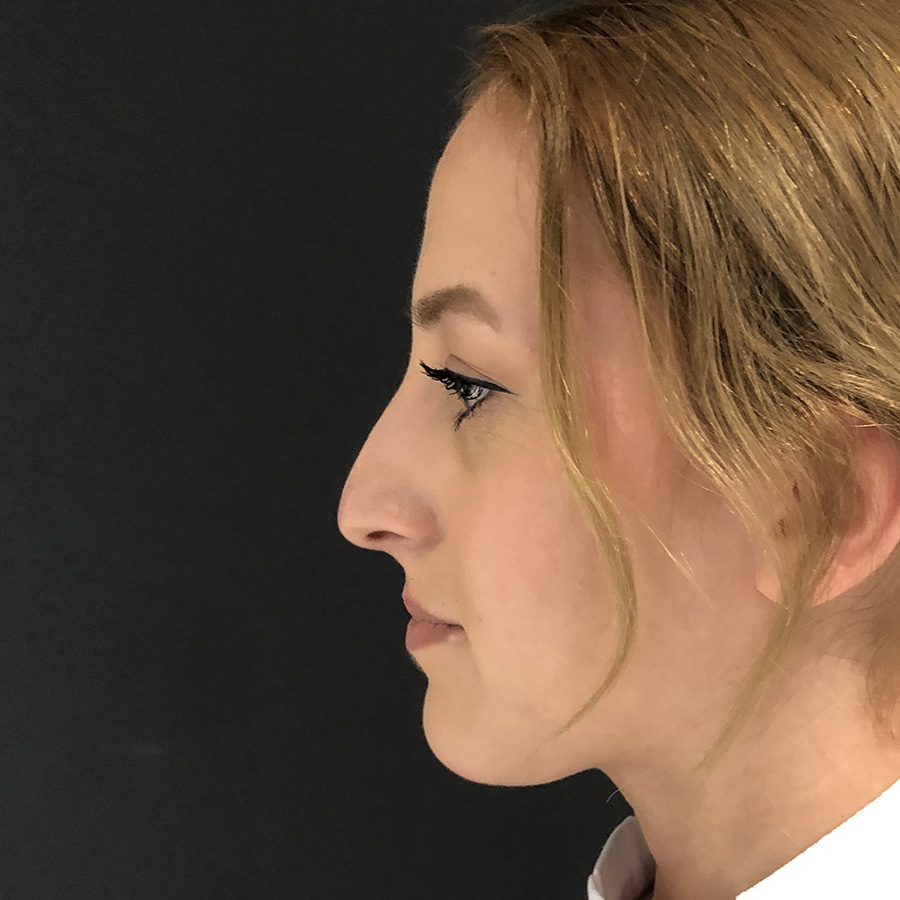
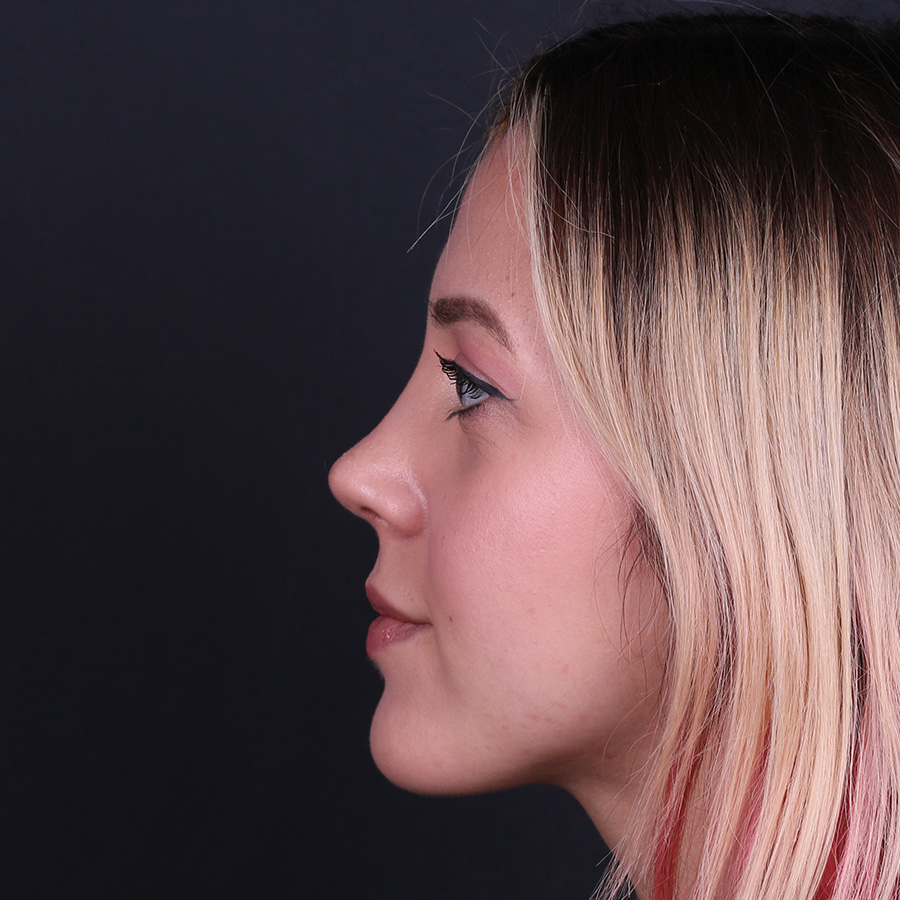
Real Patient Before & After Results


Considering Facelift Surgery?
A consultation can help determine which facial lifting approach is most appropriate for your anatomy, degree of ageing and personal goals.
Surgical Technique and Anaesthesia
Facelift procedures are usually performed under:
- General anaesthesia
- Occasionally with sedation, depending on the procedure and patient needs
Incisions are carefully planned and typically placed within the hair bearing scalp to minimise visible scarring.
The surgical approach is selected based on:
- Facial anatomy
- Degree of ageing changes
- Desired outcome
All options are explained clearly before surgery.
Recovery and Healing Process
Upper and Midface Procedures
Following upper and midface rejuvenation procedures, such as forehead lift, temporal lift, brow lift and endoscopic midface lift, swelling and bruising are normal.
- Swelling typically peaks within the first 3 days
- Most swelling reduces within 7 to 10 days
Sleeping with the head elevated during the first week supports smoother healing.
Bruising around the eyes is common after temporal and midface procedures and usually resolves within 7 to 10 days.
Patients may experience:
- Tightness
- Moderate discomfort in the forehead, temples or cheeks
These symptoms are temporary and well managed with prescribed medication.
Facelift – Frequently Asked Questions
Facelift surgery is a group of surgical procedures designed to improve visible signs of facial ageing by repositioning underlying tissues. Rather than tightening the skin alone, modern facelift techniques focus on restoring natural facial structure, balance and definition.
Depending on the patient’s anatomy and ageing pattern, a facelift may involve the upper face, midface, lower face, neck or a combination of these areas.
Facelift surgery can address multiple areas, including:
- Forehead and brow position
- Upper and midface heaviness
- Cheeks and nasolabial folds
- Jawline definition
- Neck laxity
The exact areas treated are determined during consultation following a full facial assessment.
Facial lifting procedures are generally classified into two main groups:
- Upper and midface lifting procedures, such as forehead lift, brow lift, temporal lift and endoscopic midface lift
- Lower face and neck procedures, including deep plane facelift and neck lift
These techniques may be performed individually or combined to achieve balanced and natural results.
A facelift is a general term describing facial lifting surgery.
A deep plane facelift is one specific technique within facelift surgery.
The deep plane approach works on deeper facial layers, allowing repositioning of tissues without excessive tension on the skin. This often results in more natural looking and longer lasting outcomes, particularly for the lower face and jawline.
Facelift surgery may be suitable for patients who:
- Experience facial sagging or heaviness
- Notice loss of jawline or cheek definition
- Feel their appearance looks tired or aged
- Have good overall health and skin quality
Suitability is always confirmed through a personalised medical and facial assessment.
There is no fixed age for facelift surgery. Most patients consider a facelift between their 40s and 60s, depending on genetics, skin quality and lifestyle factors.
The decision is based on facial changes rather than age alone.
The duration of surgery depends on the type of facelift and whether multiple procedures are combined.
- Upper and midface procedures typically take 1 to 2 hours
- More extensive facelift procedures may take longer
Exact surgical time is discussed during consultation.
Facelift surgery is usually performed under general anaesthesia to ensure patient comfort and safety.
In selected cases, lighter procedures may be performed with sedation.
Recovery time varies depending on the procedure performed.
- Most swelling and bruising improve within 7 to 10 days
- Many patients return to work and social activities within 10 to 14 days
- Final results continue to refine over several months
Detailed recovery guidance is provided after surgery.
Incisions are carefully placed within natural skin creases and the hair bearing scalp.
When healed properly, scars are usually discreet and difficult to notice.
Facelift surgery is generally well tolerated.
Postoperative discomfort is usually mild to moderate and temporary, and is managed with prescribed pain relief and aftercare instructions.
Facelift surgery provides long lasting improvement.
While the natural ageing process continues, repositioned tissues remain stable. Most patients enjoy a refreshed and more youthful appearance for many years following surgery.
As with any surgical procedure, facelift surgery carries potential risks, including:
- Swelling and bruising
- Infection
- Temporary changes in sensation
- Asymmetry
- Dissatisfaction with results
All risks are discussed in detail during consultation to support informed decision making.
International patients are usually advised to remain locally for approximately 7 days after surgery. This allows for early follow up and ensures a safe recovery period before flying.
The cost of facelift surgery depends on:
- The type of facelift performed
- The complexity of the procedure
- Whether additional treatments are combined
Facelift surgery in Turkey is generally more affordable than in the UK, Europe and the USA, while maintaining high medical standards. A personalised quote is provided after consultation.

Why Choose Us for Facelift

Expertise in facial anatomy and ageing patterns
Dr Ali Alper Bayram applies anatomical precision to restore facial balance without altering identity.

Careful planning and refined surgical technique
Each facelift is planned individually, respecting tissue structure and long term stability.

Complete care and dedicated UK patient support
From consultation to follow up, UK patients receive clear guidance, travel assistance, and continuity of care.