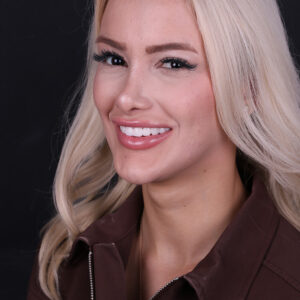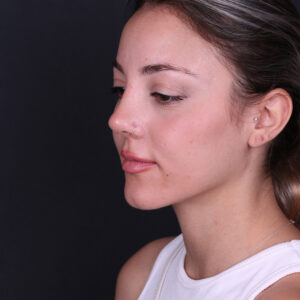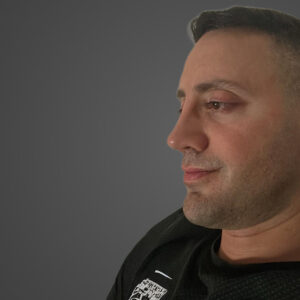
★★★★★ Rated Excellent on WhatClinic
Buccal Fat Removal
in Turkey
- Individualised facial assessment and planning
- Focus on natural cheek contour and facial balance
- Intraoral technique with no visible scars
- Full guidance and support for UK patients
Bichectomy in Turkey for UK Patients
A conservative medical approach to facial contour refinement
Facial fullness in the cheek area can affect facial definition and proportions, particularly in patients with a round or full face shape. Bichectomy is a surgical procedure designed to reduce excess cheek volume by removing the buccal fat pads, creating a slimmer and more contoured facial appearance.Under the care of Dr Ali Alper Bayram, bichectomy is approached conservatively and selectively. The aim is to enhance facial definition while preserving harmony, avoiding excessive hollowing or artificial results.
Understanding Bichectomy
Bichectomy involves the controlled removal of the buccal fat pads, which are naturally located deep within the cheeks. These fat pads are independent from overall body fat and may remain prominent even in slim individuals.The procedure aims to:
- Slim the lower cheek area
- Enhance facial contours and definition
- Improve facial proportions without altering identity
- Maintain a natural and balanced appearance
Careful patient selection is essential to achieve safe and aesthetically pleasing results.
Setting Realistic Expectations
Bichectomy provides subtle yet effective facial refinement. It is not intended to dramatically change facial structure, but rather to enhance definition in suitable candidates.Results develop gradually as swelling resolves. The most satisfying outcomes occur when expectations are realistic and discussed clearly during consultation.
Who Is Suitable for Bichectomy
Bichectomy may be suitable for patients who:
- Are aged 18 and over
- Have a round or full facial structure
- Wish to achieve slimmer and sharper facial contours
- Are in good general health
Patients with already thin or narrow faces may not be ideal candidates. Suitability is always confirmed through a detailed facial assessment.
Real Patient Before & After Results
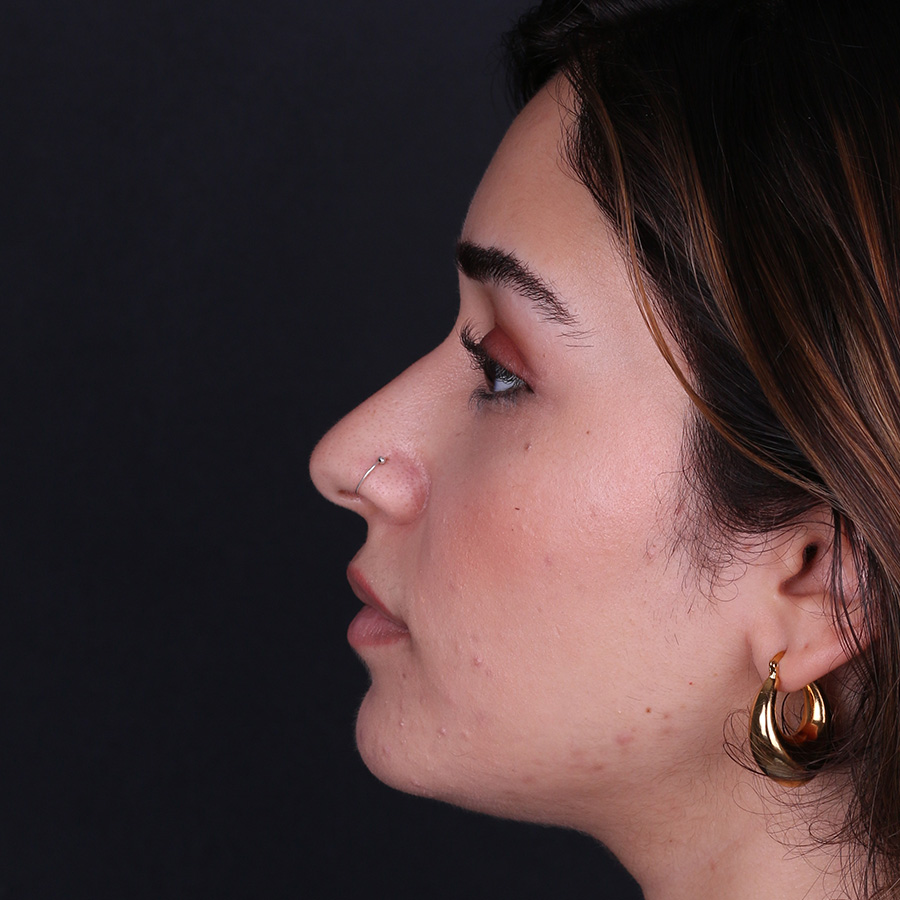


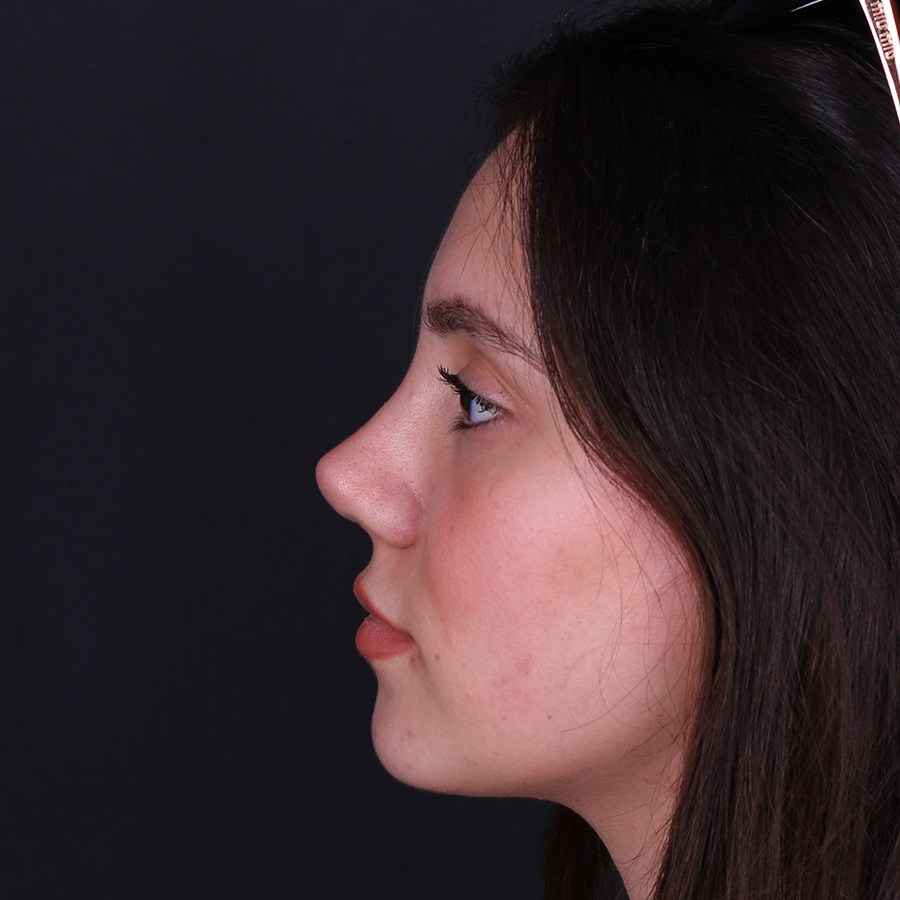
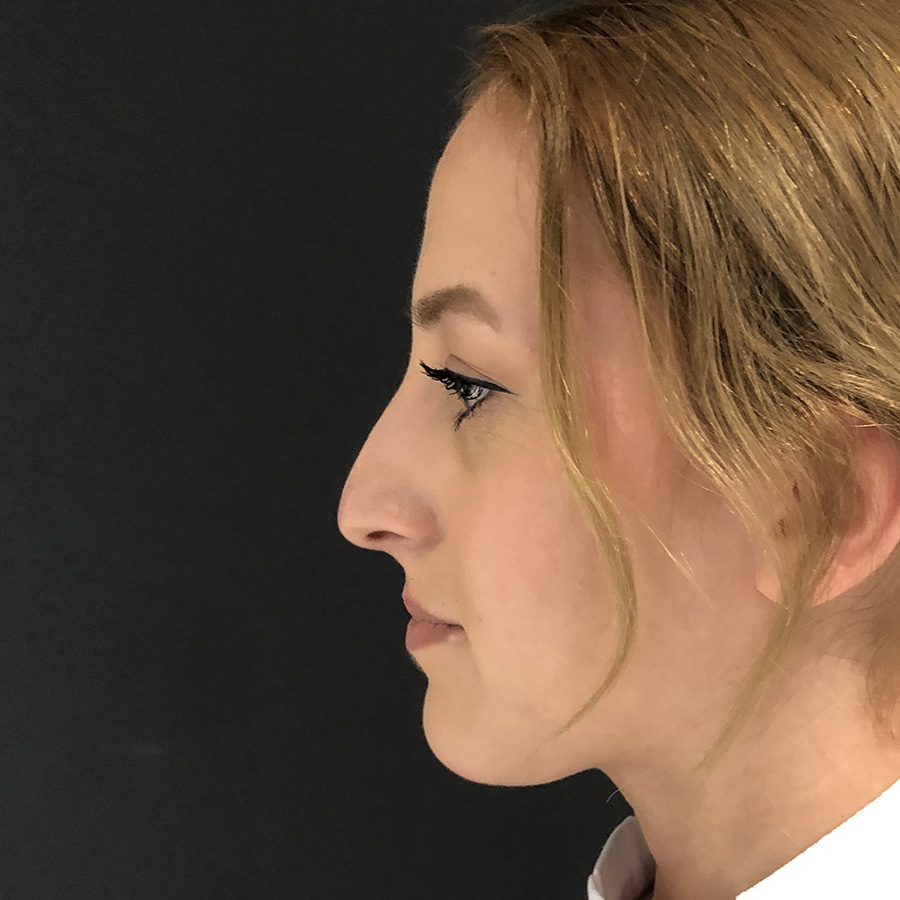
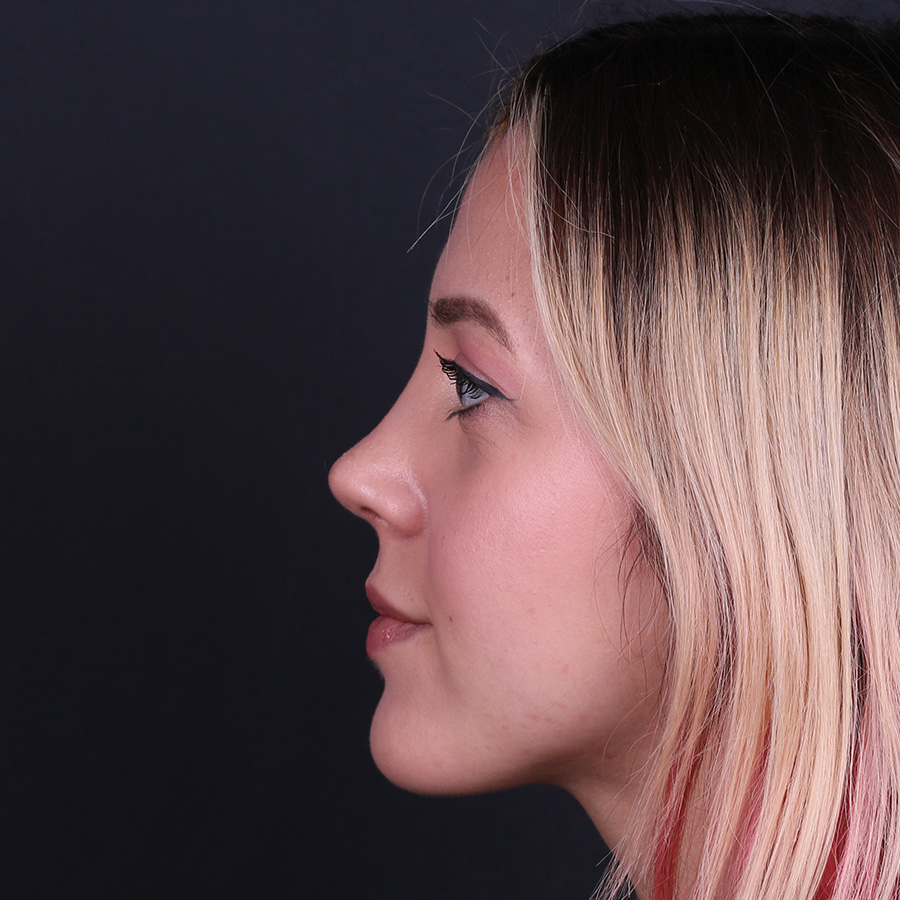
Considering bichectomy surgery?
A consultation can help determine whether this procedure is appropriate for your facial structure and aesthetic goals.
Surgical Technique and Anaesthesia
Bichectomy is performed through small incisions inside the mouth, typically 1 to 2 cm in length. This intraoral approach allows direct access to the buccal fat pads while avoiding any external scars.Depending on individual needs:
- The procedure is most commonly performed under local anaesthesia
- Sedation or general anaesthesia may be used if preferred
- When combined with other procedures, general anaesthesia is usually selected
All options are discussed clearly before treatment.
Recovery and Healing Process
Recovery after bichectomy is generally straightforward.Typical recovery includes:
- Gradual swelling during the first 2 to 3 days
- Use of cold compresses to reduce swelling
- Significant reduction in swelling within 7 to 10 days
- Recommendation of soft and cold foods during the initial days
Visible improvement is usually noticeable by the end of the first month. Final results continue to refine over approximately 3 months.
Scarring and Oral Healing
Because all incisions are made inside the mouth:
- There are no visible scars on the face
- Oral incisions heal quickly
- Proper oral hygiene supports optimal healing
Pain and Comfort After Surgery
Bichectomy is generally well tolerated.
Any discomfort is usually mild and temporary. Pain relief and postoperative instructions are provided to ensure comfort during recovery.
Are Bichectomy Results Permanent
Yes, bichectomy results are permanent. The removed buccal fat pads do not regenerate.
Natural ageing should always be considered. While weight gain may affect other areas of the face, the cheek area itself does not typically regain volume. In some cases, ageing related tissue changes may slightly influence facial contours over time.
Risks of Bichectomy Surgery
Bichectomy is considered a safe procedure with a very low complication rate when performed on suitable candidates.
Possible risks include:
- Anaesthesia-related risks
- Infection
- Bleeding
- Swelling or bruising
- Temporary nerve irritation
- Salivary gland injury
- Excessive cheek hollowing
These risks are minimal when conservative fat removal and correct patient selection are applied.
Buccal Fat Removal – Frequently Asked Questions
Bichectomy is a cosmetic surgical procedure that involves the removal of the buccal fat pads located in the cheeks. The procedure is performed through 1 to 2 cm incisions inside the mouth, allowing controlled removal of the fat tissue from both cheeks. Since the incisions are intraoral, there are no visible external scars.
Bichectomy is suitable for patients:
- Aged 18 and over
- With a round or full facial structure
- Who wish to achieve slimmer, sharper facial contours
Patients with already thin or narrow faces may not be ideal candidates.
The procedure typically takes 30 to 45 minutes.
It is most commonly performed under local anaesthesia.
For patients who are anxious about local anaesthesia, sedation or general anaesthesia can be used. When combined with other surgical procedures, bichectomy is usually performed under general anaesthesia.
No. Since all incisions are made inside the mouth, there are no visible scars on the face.
- Swelling may gradually increase during the first 2 to 3 days
- Cold compresses are beneficial during this period
- Swelling significantly decreases within 7 to 10 days
- Soft and cold foods are recommended during the first few days.
Noticeable improvement is usually seen by the end of the first month. Final results may take up to 3 months to fully develop.
Bichectomy is generally considered a safe procedure with a very low complication rate.
Possible risks include:
- Anaesthesia-related risks
- Infection
- Bleeding
- Swelling and bruising
- Nerve injury, which is very rare and usually temporary
- Salivary gland injury
- Excessive cheek hollowing
When performed on suitable candidates by an experienced surgeon, these risks are minimal.
Yes, the results are permanent, as the removed buccal fat pads do not regenerate.
With weight gain, fat may increase in other areas of the face, but the cheek area itself does not typically regain volume. In some cases, sagging of surrounding tissues may create a slight appearance of fullness over time.
When performed on properly selected patients, bichectomy creates a natural, attractive, and well balanced facial appearance.
The risk of hollow cheeks is minimal with correct patient selection and conservative fat removal. This appearance is more likely in patients who already have a very thin face prior to surgery.

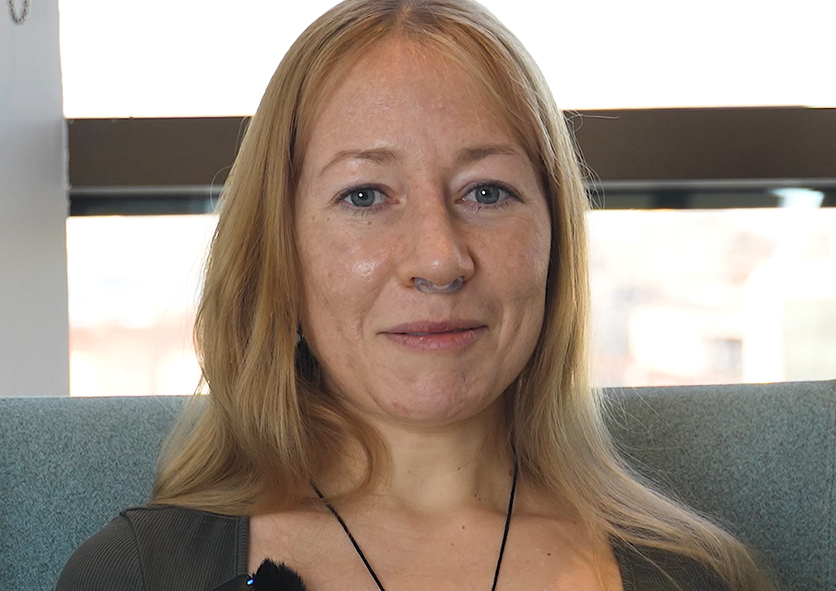
Why Choose Us for Bichectomy Surgery

Expertise in facial anatomy and proportion
Dr Ali Alper Bayram applies anatomical precision to enhance facial definition without compromising balance.

Conservative planning and refined surgical technique
Each bichectomy is planned individually, focusing on subtle improvement and long term harmony.

Complete care and dedicated UK patient support
From consultation to follow up, UK patients receive clear guidance, travel assistance, and continuity of care throughout the entire process.