★★★★★ Rated Excellent on WhatClinic
Forehead Reduction
in Turkey
- Individualised facial and hairline assessment
- Focus on balanced forehead proportions
- Permanent surgical hairline lowering solution
- Full guidance and support for UK patients
Forehead Reduction in Turkey for UK Patients
A precise surgical approach to hairline and facial proportion balance
The height of the forehead plays a significant role in overall facial harmony. A naturally high or wide forehead can disrupt facial proportions and draw attention away from other facial features.
Forehead reduction surgery, also known as hairline lowering surgery, is designed to shorten the vertical height of the forehead by advancing the hair bearing scalp forward. The objective is to create a more balanced and harmonious facial appearance while preserving a natural hairline.
Under the care of Dr Ali Alper Bayram, forehead reduction is planned with careful anatomical assessment and conservative surgical technique. Each procedure is tailored to the individual’s hairline, scalp elasticity and facial proportions.
Understanding Forehead Reduction (Hairline Lowering) Surgery
Forehead reduction surgery involves making a precise incision along the natural hairline. The scalp is gently advanced forward, and excess forehead skin is removed.
This procedure aims to:
- Reduce the height of the forehead
- Improve facial proportions
- Create a natural and harmonious hairline
- Maintain a soft and feminine or masculine hairline shape
Forehead reduction is not a facial lifting procedure. It is a hairline and proportion surgery, and careful patient selection is essential to achieve safe and natural results.
Setting Realistic Expectations
Forehead reduction surgery provides a permanent improvement in hairline position and facial balance. However, the goal is refinement and proportion, not dramatic or artificial change.
A thorough consultation ensures expectations are realistic and aligned with individual anatomy. Not every patient is suitable, and careful assessment is essential.
Who Is Suitable for Forehead Reduction Surgery
Forehead reduction may be suitable for patients who:
- Have a naturally high or wide forehead
- Have a receding or high hairline
- Have good scalp elasticity
- Do not have active hair loss conditions
- Are in good general health
Suitability is always confirmed through a detailed facial and scalp assessment.
Real Patient Before & After Results
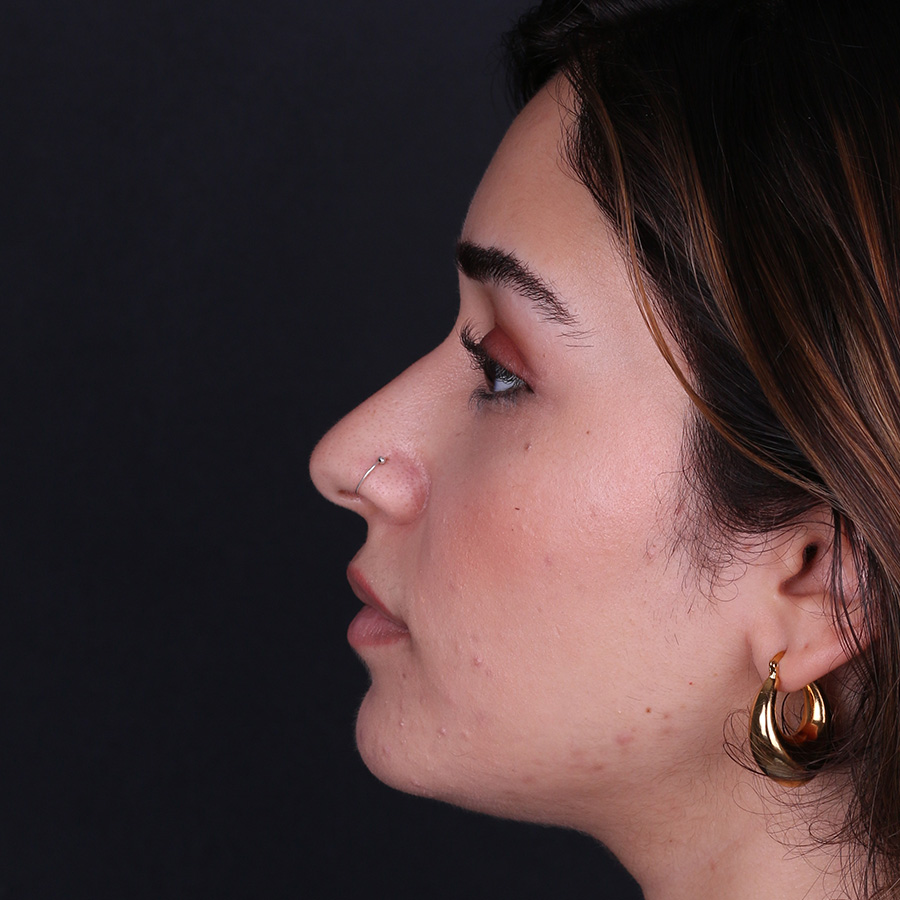


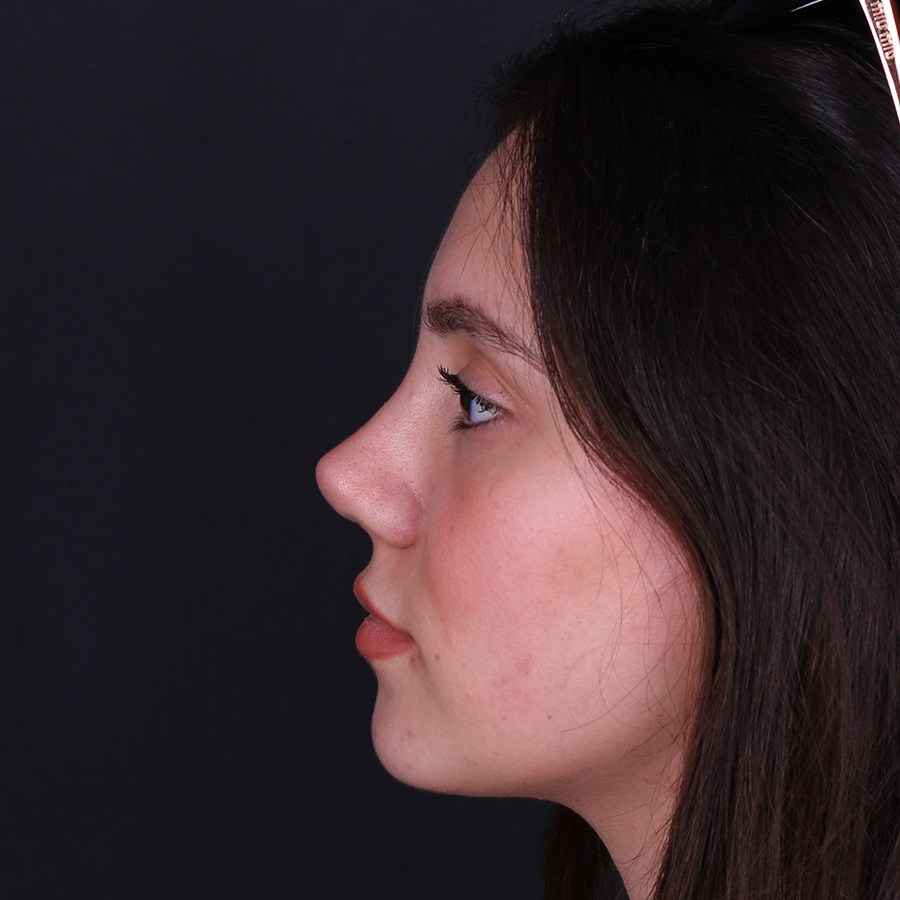
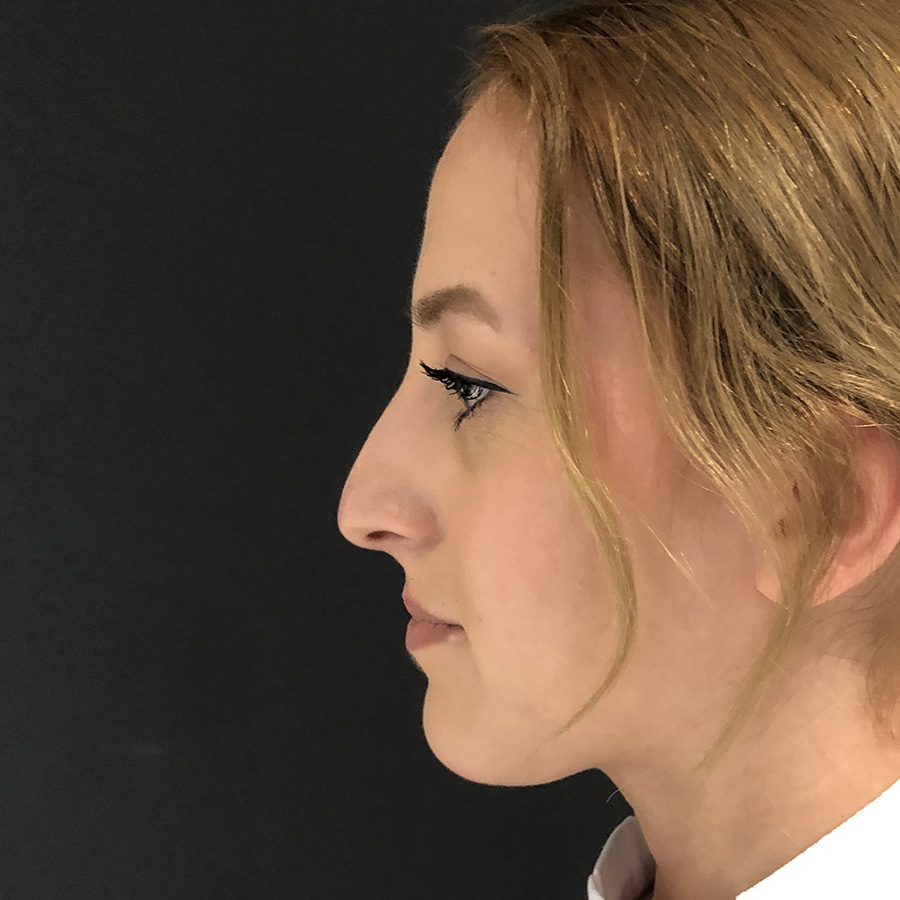
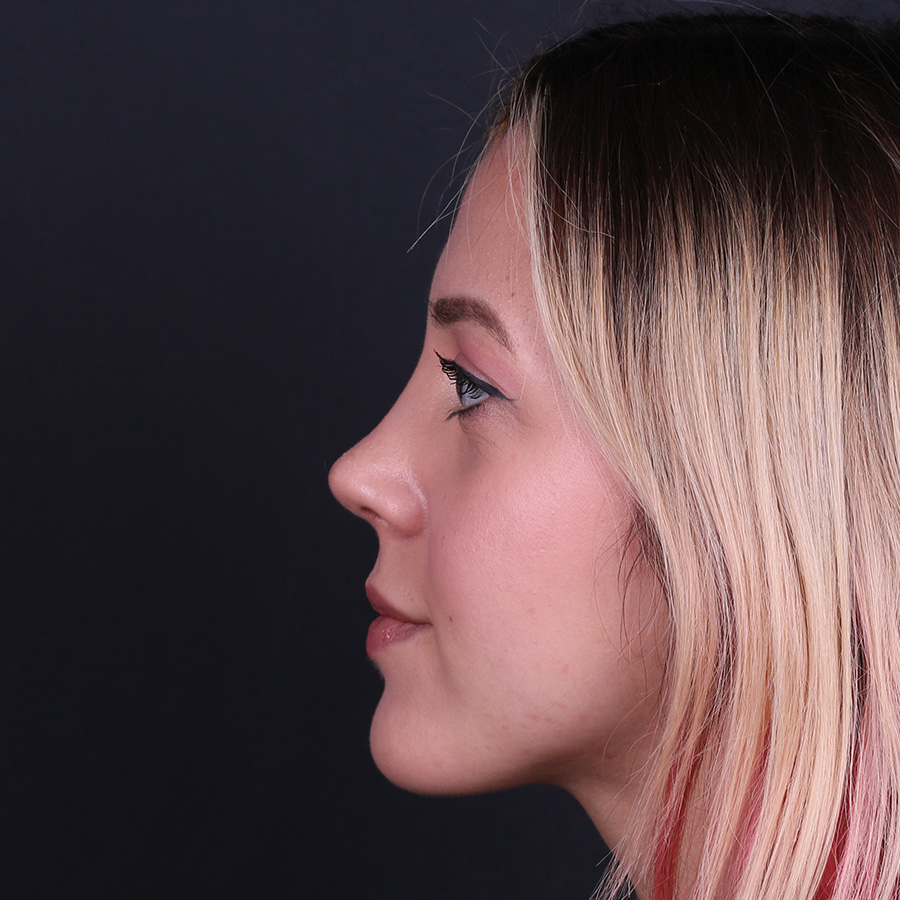
Considering Forehead Reduction Surgery
A consultation helps determine whether forehead reduction is appropriate based on hairline position, scalp elasticity and overall facial proportions.
Surgical Technique and Anaesthesia
Forehead reduction surgery is performed under general anaesthesia.
- The procedure typically takes 1 to 2 hours
- The incision is placed carefully along the natural hairline
- The scalp is advanced forward in a controlled manner
- Excess forehead skin is removed
All technical details are explained clearly before surgery.
Recovery and Healing Process
Recovery after forehead reduction surgery is generally well tolerated.
Patients may experience:
- Mild swelling and bruising during the first few days
Typical recovery includes:
- Significant improvement within 7 to 10 days
- Return to work and social activities within 7 to 10 days
- Use of a head bandage for approximately one week
- Resumption of sports and physical activity after 4 to 6 weeks
Final results continue to refine as tissues settle and scars mature, usually becoming fully visible within 6 to 12 months.
Scarring and Hair Healing
The incision is placed along the natural hairline.
- In patients without hair loss, scars are usually well concealed
- Newly growing hair helps hide the incision line
- Scar visibility continues to improve over time
Temporary hair shedding around the incision area may occur and usually resolves.
Forehead Reduction – Frequently Asked Questions
Forehead reduction surgery, also known as hairline lowering surgery, involves making an incision along the front of the hairline. The scalp is gently advanced forward and excess forehead skin is removed. The primary goal is to achieve more balanced and harmonious facial proportions.
Ideal candidates are individuals with a naturally high or wide forehead, a receding hairline and no active hair loss problems. Good scalp elasticity is also an important factor.
Forehead reduction surgery is performed under general anaesthesia and typically takes 1 to 2 hours.
The incision is carefully placed along the natural hairline. In patients without hair loss, the scar is usually well concealed by newly growing hair and becomes less noticeable over time.
Mild swelling and bruising may occur during the first few days and usually resolve within 7 to 10 days. Most patients can return to work and social life within this timeframe. A head bandage is applied and typically worn for about one week. Sports and physical exercise can usually be resumed after 4 to 6 weeks. Final results are usually visible within 6 to 12 months.
Rare risks may include anaesthesia related risks, infection, haematoma, temporary numbness and temporary hair shedding around the incision area. Overall, forehead reduction surgery is considered a safe procedure.
Yes. The results are permanent. Although natural ageing may cause some skin laxity over time, significant hairline recession is not expected.
Yes. Forehead reduction surgery is designed to create a natural looking forehead and hairline, enhancing facial harmony while avoiding excessive or unnatural changes.
The cost varies depending on the hospital, surgical technique and whether the procedure is combined with other treatments. For personalised pricing, patients are advised to contact the clinic directly and arrange an online consultation.

Why Choose Us for Forehead Reduction

Expertise in facial proportions and hairline anatomy
Dr Ali Alper Bayram applies detailed anatomical knowledge to create natural hairline positioning and balanced facial proportions.

Conservative planning and refined surgical technique
Each forehead reduction procedure is planned individually, focusing on harmony, precision and long term stability.

Complete care and dedicated UK patient support
From consultation to follow up, UK patients receive clear guidance, travel assistance and continuity of care throughout their treatment journey.