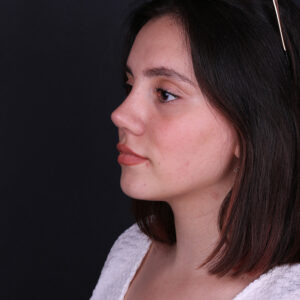
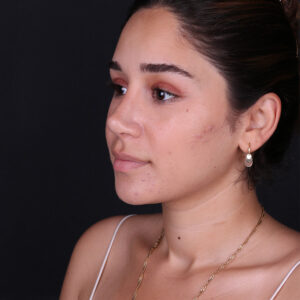
★★★★★ Rated Excellent on WhatClinic
Functional Septorhinoplasty
in Turkey
- Combined improvement of breathing and nasal structure
- ENT led assessment and surgical planning
- Functional correction with aesthetic balance
- Full guidance and support for UK patients
Functional Septorhinoplasty in Turkey for UK Patients
A combined medical and aesthetic approach
Breathing comfortably through the nose is essential for daily life, sleep quality and overall wellbeing. In many cases, nasal breathing problems are caused by structural issues that also affect the external appearance of the nose.
Functional septorhinoplasty addresses both aspects simultaneously. Rather than correcting internal problems alone, the procedure aims to restore stable airflow while improving nasal proportions and facial harmony when needed.
Understanding Functional Septorhinoplasty
Functional septorhinoplasty combines septal correction with rhinoplasty techniques.
While cosmetic rhinoplasty focuses primarily on appearance, functional septorhinoplasty places equal importance on:
- Nasal airflow
- Structural stability
- Long term breathing function
- Balanced external appearance
In clinical practice, many rhinoplasty procedures involve functional elements, as internal nasal problems are often present even when patients initially seek aesthetic improvement.
Setting Realistic Expectations
Functional septorhinoplasty aims to improve breathing and nasal balance, not to create a perfect or idealised nose.
The degree of aesthetic change depends on anatomy, structural limitations and functional requirements. Clear discussion before surgery helps establish realistic expectations and ensures that functional improvement is not compromised by cosmetic goals.
Who Is Suitable for Functional Septorhinoplasty
Functional septorhinoplasty may be suitable for patients who:
- Experience nasal breathing difficulties
- Have a deviated or crooked nose
- Suffer from nasal valve problems
- Have high septal deviation or post traumatic nasal deformity
- Wish to improve both breathing and appearance
Suitability is confirmed through a full ENT examination and anatomical assessment.
Real Patient Before & After Results
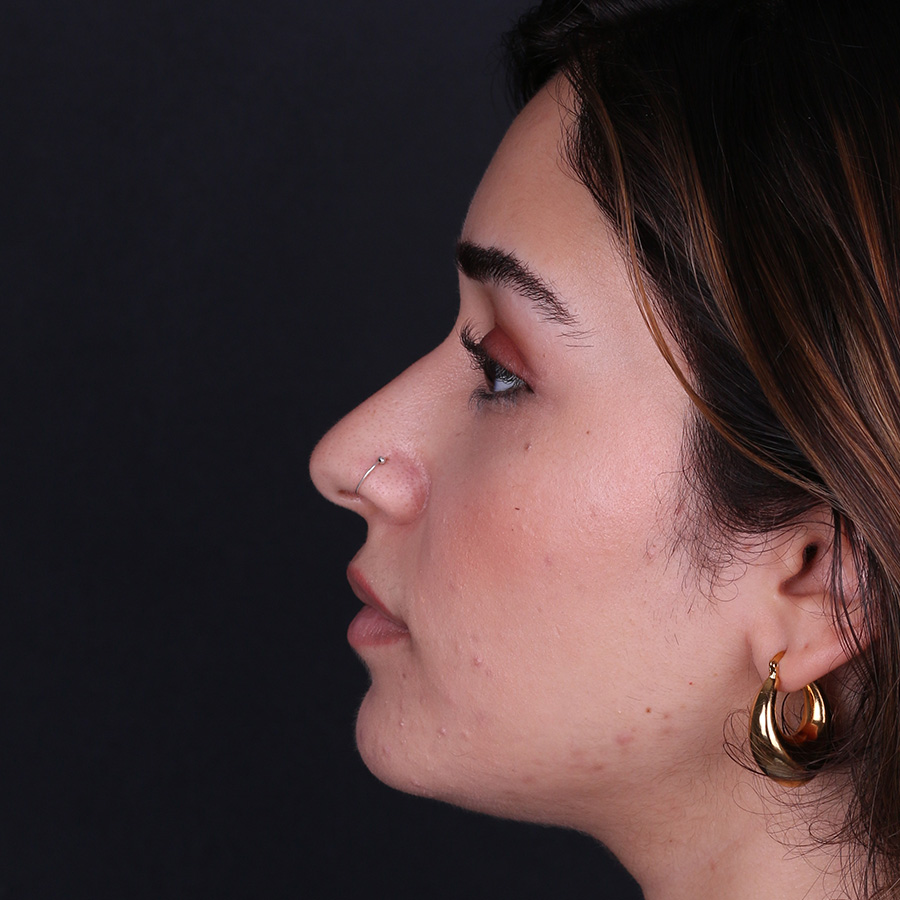


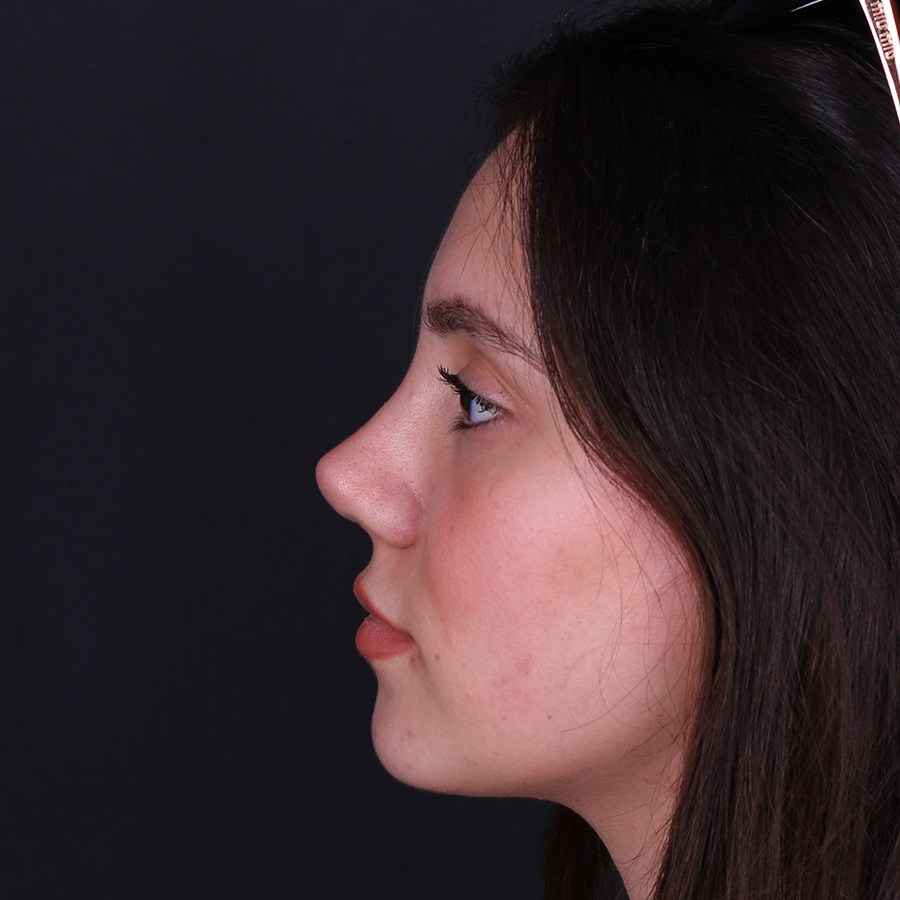
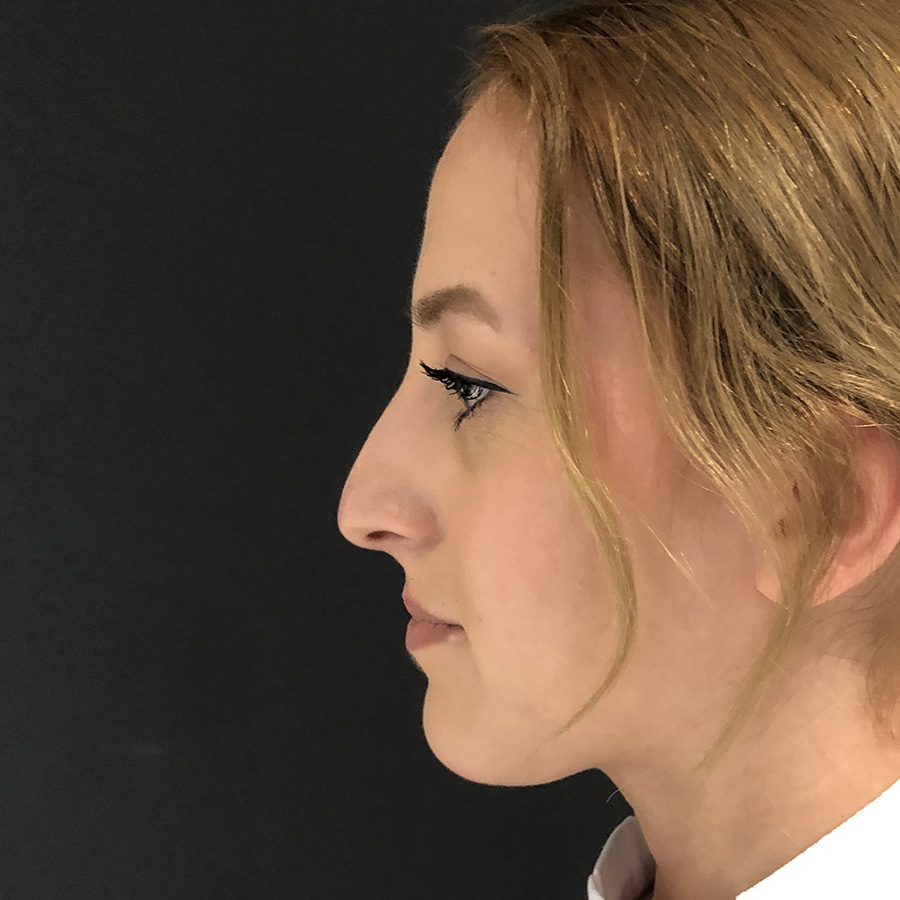
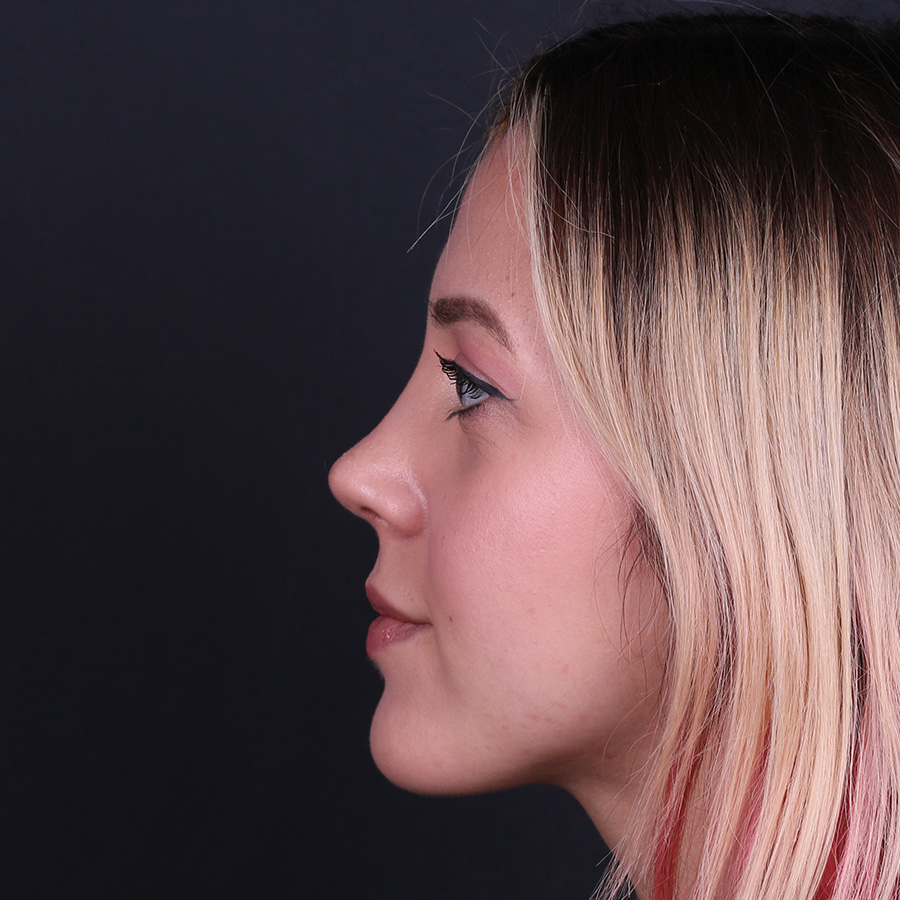
Considering functional septorhinoplasty?
A consultation can help determine whether combined functional and aesthetic correction is appropriate for your nose.
Pre Surgical Assessment
A detailed assessment is essential before functional septorhinoplasty.
This includes:
- Internal examination of the nasal septum
- Evaluation of nasal valves and airflow
- Assessment of external nasal structure
- Identification of functional limitations affecting breathing
Clinical photographs and functional findings support precise surgical planning.
Surgical Technique and Anaesthesia
Functional septorhinoplasty is performed under general anaesthesia.
In most cases, septoplasty is carried out as part of the procedure, as septal cartilage is frequently required for structural support and functional correction.
The surgical approach is tailored to the individual anatomy and may include:
- Septal straightening
- Structural support of the nasal framework
- Correction of nasal valve collapse
- Aesthetic refinement where appropriate
Recovery and Healing Process
Recovery follows a similar timeline to other rhinoplasty procedures.
In general:
- Patients return to work and social activities within 7 to 10 days
- The nasal framework stabilises by around three months
- Full healing and final results may take 12 to 18 months, and in some cases up to two years, depending on skin type and tissue healing
Post operative care instructions are provided to support both functional recovery and aesthetic healing.
Frequently Asked Questions – Functional Septorhinoplasty
Functional rhinoplasty improves nasal breathing while also enhancing the appearance of the nose when required.
Cosmetic rhinoplasty focuses on appearance, while functional rhinoplasty addresses breathing and structure alongside aesthetics.
Yes. This is very common and often necessary to achieve proper breathing and stable nasal structure.
In most cases, yes. Septal correction is routinely performed alongside rhinoplasty.
If aesthetic correction is included, the external shape of the nose will change. If only internal correction is performed, appearance remains unchanged.
Most patients return to work within 7 to 10 days. Final results develop over 12 to 18 months.
Functional septorhinoplasty is most commonly performed by ENT specialists with expertise in nasal function.

Why Choose Us for Functional Septorhinoplasty

ENT led expertise in nasal function and structure
Dr Ali Alper Bayram combines ENT training with advanced rhinoplasty techniques to address breathing and aesthetics together.

Individualised surgical planning
Each procedure is planned according to functional needs, anatomical limitations and realistic aesthetic goals.

Complete care and dedicated UK patient support
UK patients receive structured guidance, travel assistance and post operative follow up throughout the treatment journey.