★★★★★ Rated Excellent on WhatClinic
Revision Rhinoplasty
in Turkey
- Secondary rhinoplasty for aesthetic or functional concerns
- ENT led assessment of previously operated noses
- Advanced cartilage grafting when required
- Full guidance and support for UK patients
Revision Rhinoplasty in Turkey for UK Patients
A careful and realistic surgical approach
Revision rhinoplasty may be required when a previous operation has resulted in unsatisfactory appearance, functional problems or structural weakness.
Common reasons for revision include:
- Excessive or insufficient tissue removal
- Nasal asymmetry or crooked appearance
- Structural instability or collapse
- Persistent breathing difficulties
- Dissatisfaction with the overall result
In some cases, minor refinements may be managed with non surgical options. More complex issues usually require surgical revision under general anaesthesia.
Understanding Revision Rhinoplasty
Revision rhinoplasty differs significantly from primary rhinoplasty.
Previously operated nasal tissues lose their natural anatomy and heal with scar tissue and adhesions. Cartilage structures may be weakened or partially absent, reducing surgical flexibility and increasing complexity.
Successful revision surgery depends on precise reconstruction, careful handling of tissues and a clear understanding of surgical limitations.
Setting Realistic Expectations
Realistic expectations are essential in revision rhinoplasty.
Not every nasal concern can be fully corrected, and further surgery is not always the best solution. In some cases, accepting minor imperfections may offer a better long term outcome than aggressive revision.
Clear and honest discussion before surgery helps determine whether revision rhinoplasty is appropriate and what level of improvement is realistically achievable.
Who Is Suitable for Revision Rhinoplasty
Revision rhinoplasty may be suitable for patients who:
- Remain dissatisfied after a previous rhinoplasty
- Experience functional issues such as breathing difficulty
- Have visible aesthetic or structural problems related to prior surgery
Suitability is confirmed through detailed evaluation of the existing nasal condition rather than the original anatomy.
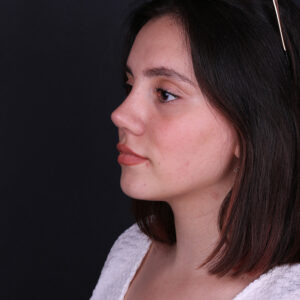
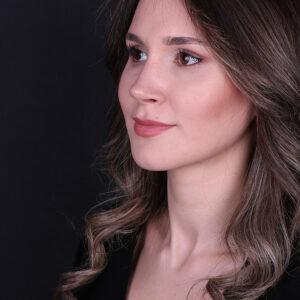
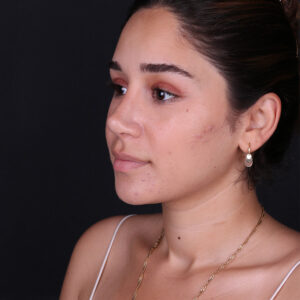
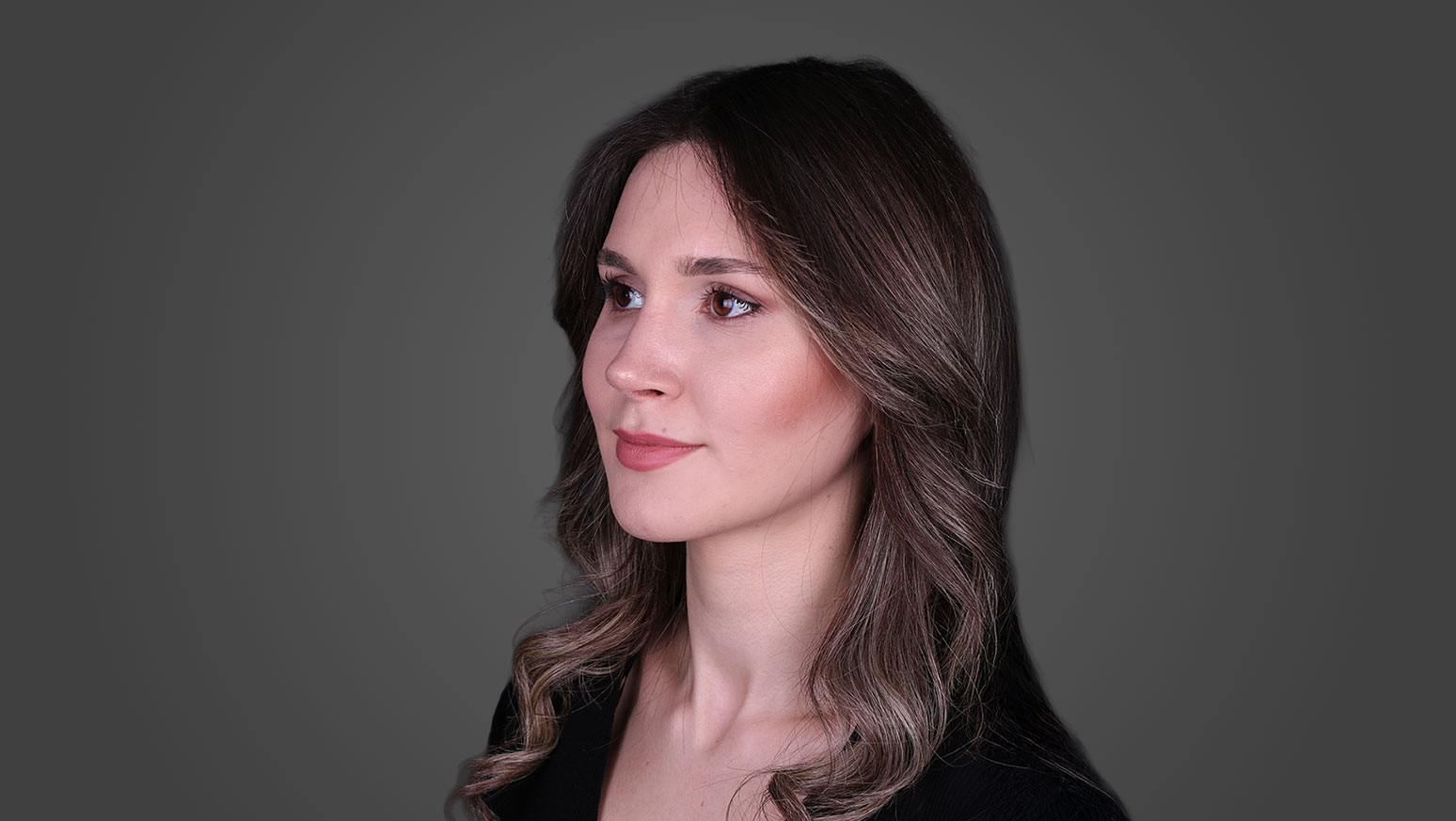
Real Patient Before & After Results
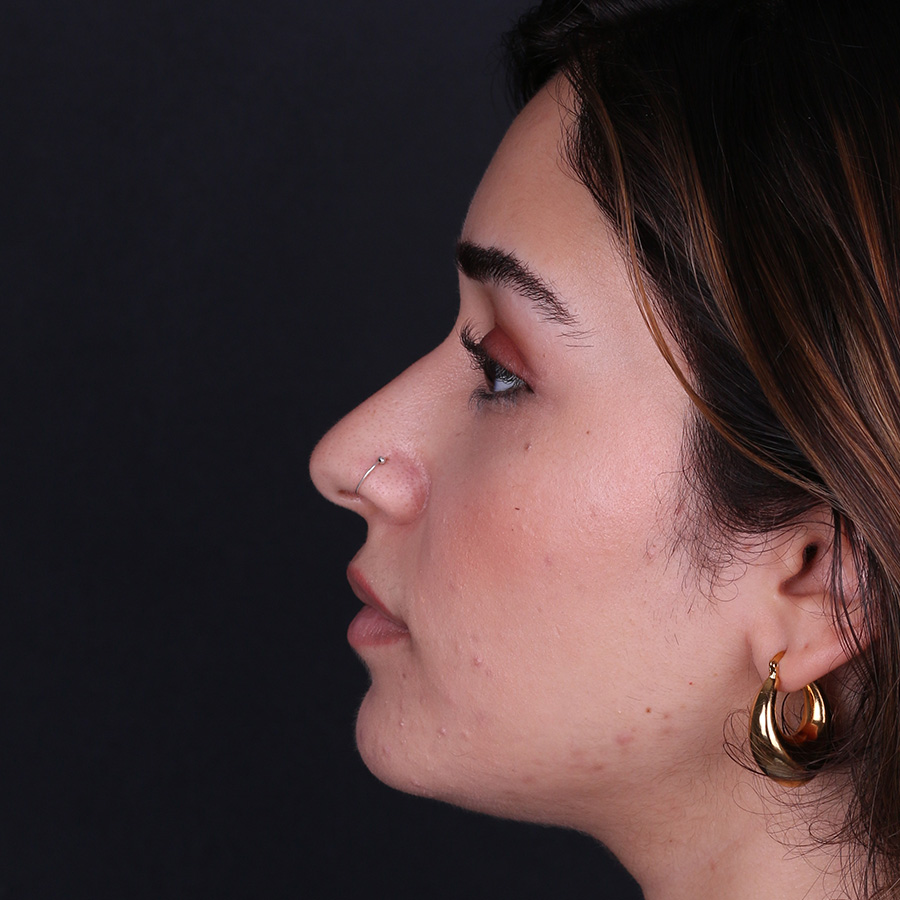


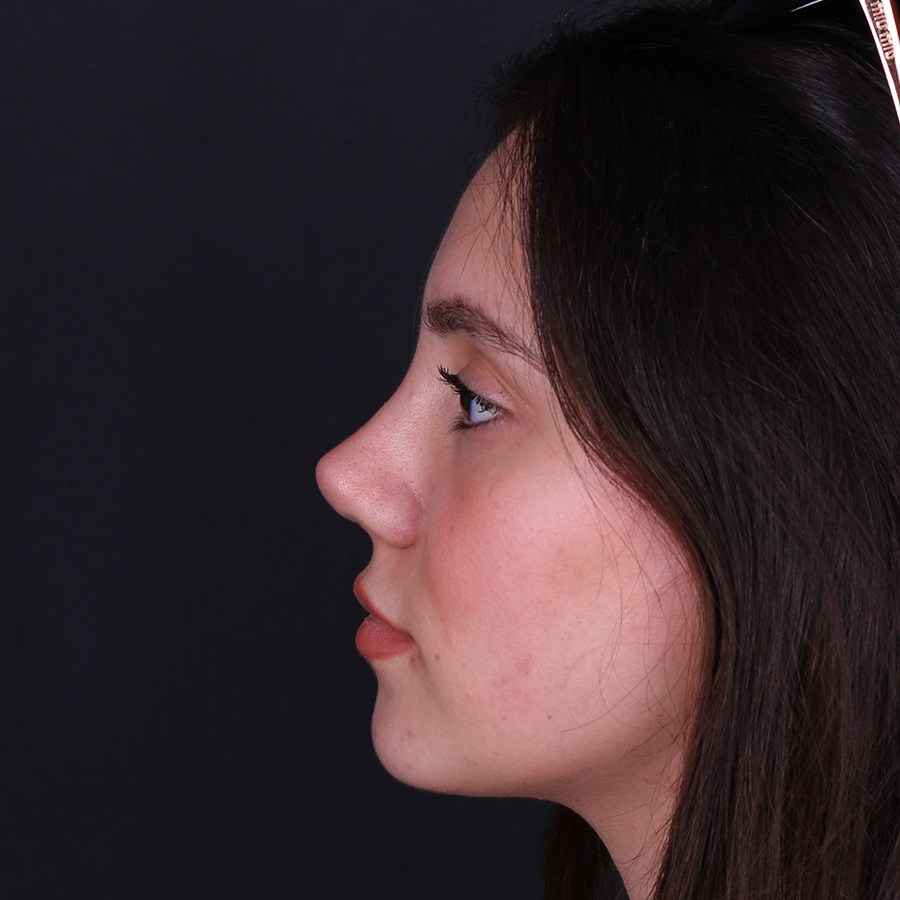
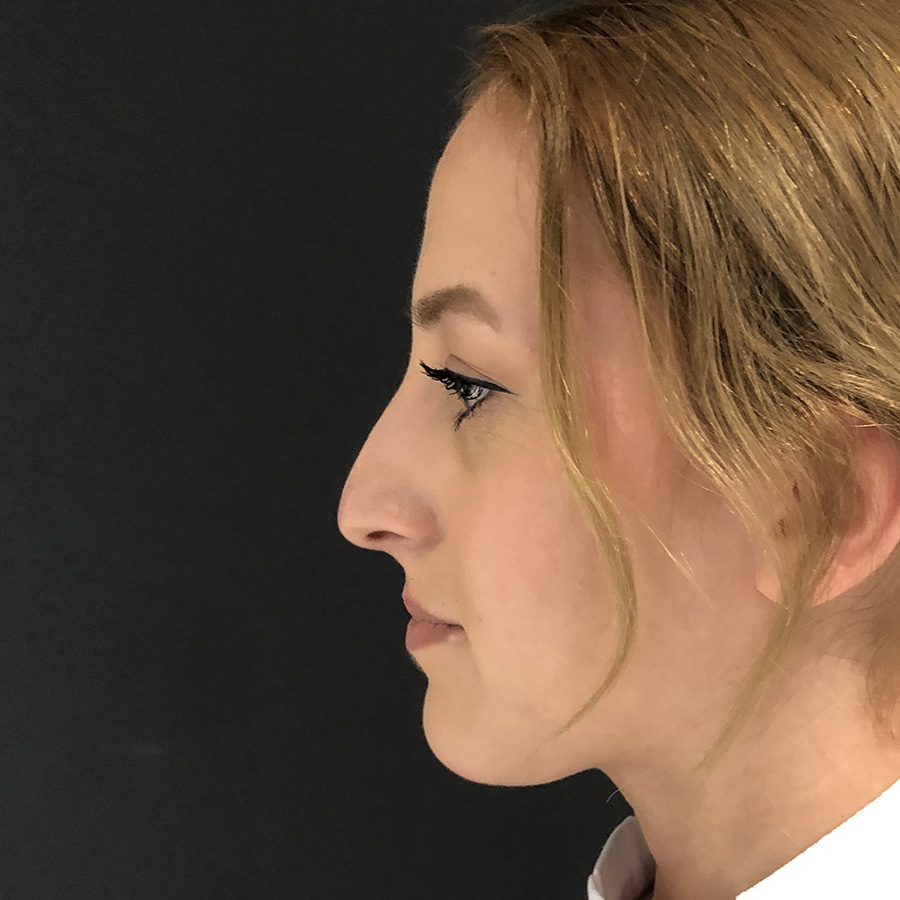
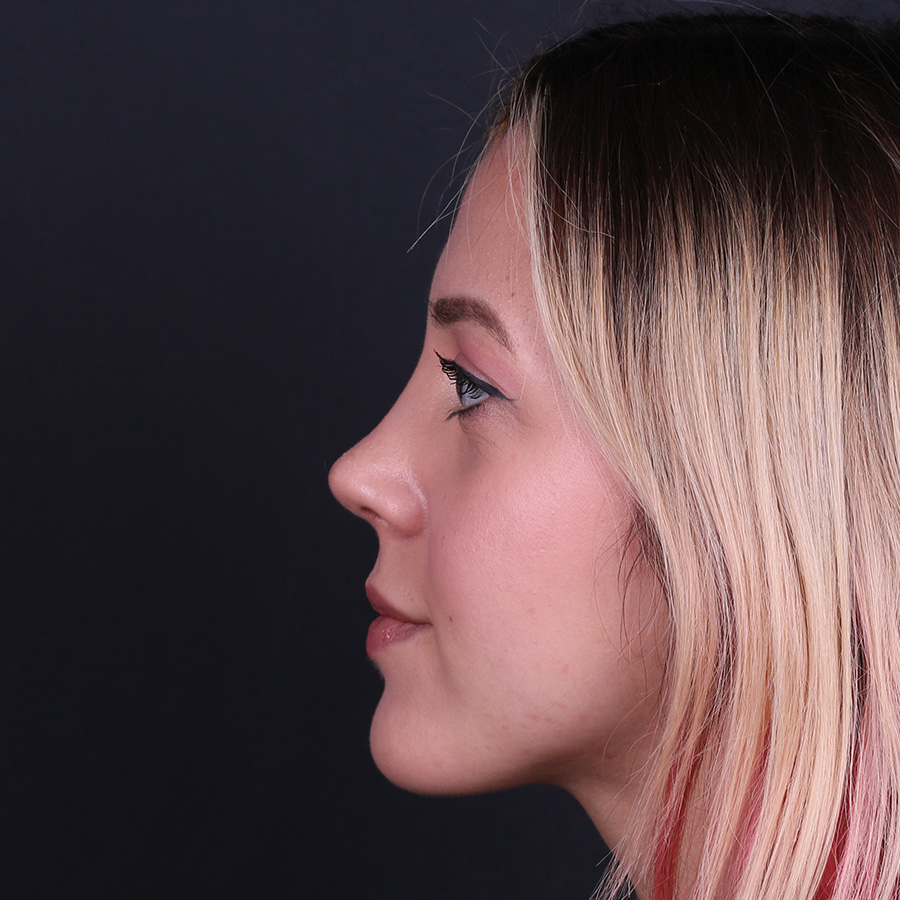
Considering revision rhinoplasty?
A consultation can help determine whether further surgery is appropriate and what outcomes are realistically achievable for your nose.
Pre Surgical Assessment
Pre surgical assessment is a critical step in revision rhinoplasty.
Evaluation focuses on:
- Existing nasal structure and stability
- Scar tissue and adhesions
- Availability of cartilage for reconstruction
- Functional assessment of breathing
When available, medical reports from previous surgeries are reviewed to support accurate planning and reduce uncertainty.
Cartilage Grafting in Revision Rhinoplasty
In primary rhinoplasty, septal cartilage is commonly used to reshape the nose. In revision cases, this cartilage has often already been used.
When additional support is required, cartilage may be harvested from:
- The ear
- The rib
Rib cartilage is often preferred in complex revision cases due to its strength and reliability. The choice of graft material is discussed during consultation, with emphasis on long term structural stability rather than short term appearance.
Surgical Technique and Anaesthesia
Revision rhinoplasty is performed under general anaesthesia.
On average, surgery takes around four hours, although the procedure continues for as long as necessary to achieve a stable and satisfactory result.
Due to the complexity of revision surgery, meticulous tissue handling and precise reconstruction are essential.
Recovery and Healing Process
Recovery after revision rhinoplasty is generally similar to primary rhinoplasty, although healing may take longer.
In most cases:
- Patients return to work and social activities within 7 to 10 days
- The nasal shape settles into its general framework by around three months
- Full healing and final results may take 12 to 18 months, and in some cases up to two years
Post operative precautions are the same as those recommended after primary rhinoplasty.
Frequently Asked Questions – Revision Rhinoplasty
Revision rhinoplasty is a secondary nose surgery performed when previous rhinoplasty results are unsatisfactory or when functional problems persist.
A minimum of 12 months is recommended. In patients with thick skin, waiting up to 18 months may be necessary.
Yes. Scar tissue, altered anatomy and limited cartilage increase surgical complexity.
In many cases, yes. Cartilage may be taken from the ear or rib when septal cartilage is no longer available.
On average around four hours, depending on complexity.
Most patients return to work within 7 to 10 days. Final results develop over 12 to 18 months.
Light activity may resume after two weeks. Heavy exercise should be avoided for four to six weeks.
Costs vary depending on surgical complexity, operative time and grafting requirements. A personalised assessment is required.
Pre assessment and video consultation are completed before travel. Visa procedures are usually straightforward, and accommodation and transfers are supported in Turkey.

Why Choose Us for Revision Rhinoplasty

Expertise in complex nasal surgery
Dr Ali Alper Bayram applies ENT expertise and advanced anatomical knowledge to complex revision cases.

Individualised planning and precise reconstruction
Each revision procedure is planned according to existing anatomy, scar tissue and functional needs.

Complete care and dedicated UK patient support
UK patients receive structured guidance, travel assistance and post operative follow up throughout the entire revision process.