
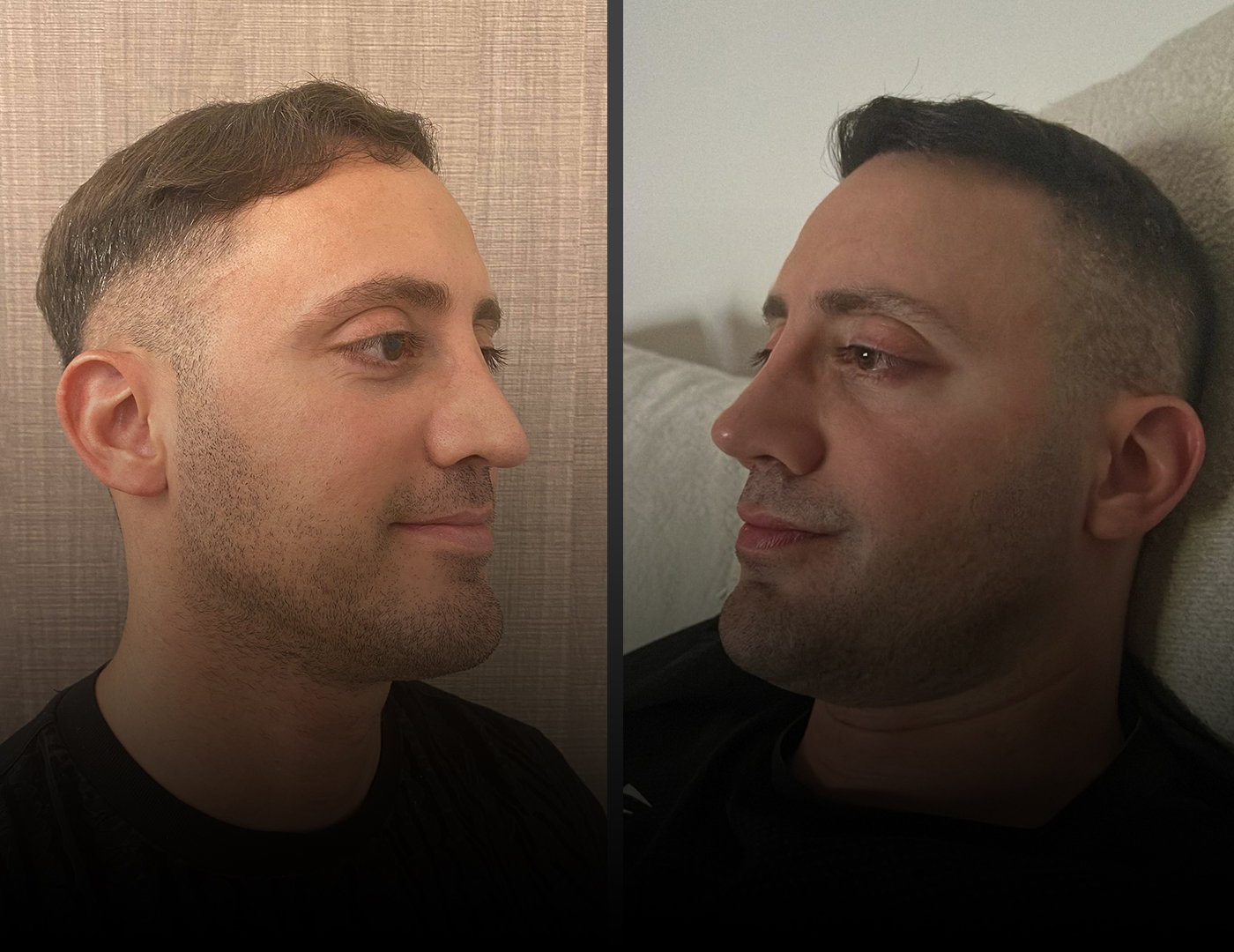
Many patients search online for “rhinoplasty for breathing problems” when they experience chronic nasal obstruction, difficulty inhaling or persistent congestion.
For patients, the most important question is simple:
Can nose surgery genuinely improve breathing, or is rhinoplasty purely cosmetic?
As an ENT specialist, I approach rhinoplasty from both a structural and functional perspective. In many cases, surgery can improve nasal airflow. However, this depends on accurate diagnosis, careful planning and preservation of internal support.
This guide explains when rhinoplasty can improve breathing, how nasal function is evaluated and what patients should realistically expect.
Why Breathing Problems Occur in the Nose
The nose plays a vital role in filtering, humidifying and regulating airflow. When internal structures are narrowed or unstable, breathing may feel restricted.
Common causes include:
- Septal deviation
- Narrow internal nasal valves
- Weak cartilage support
- Previous trauma
- Collapse during inhalation
In clinical practice, many patients seeking aesthetic improvement also report breathing concerns. Therefore, evaluating airflow is an essential part of responsible rhinoplasty.
Can Rhinoplasty Improve Breathing?
Yes, in many cases rhinoplasty can improve nasal function.
However, the goal must extend beyond reshaping the external nose. The surgeon must assess and correct internal structural issues at the same time.
Functional improvement often involves:
- Straightening a deviated septum
- Strengthening nasal valve support
- Reinforcing weakened cartilage
- Correcting structural asymmetry
When performed correctly, septorhinoplasty addresses both appearance and airflow together.
You can learn more about first time structural planning in:
Primary Rhinoplasty for UK Patients First Time Surgery Explained.
What Is Functional Rhinoplasty?
Functional rhinoplasty focuses on improving airflow while maintaining or enhancing facial harmony.
Unlike purely cosmetic surgery, functional rhinoplasty:
- Prioritises internal stability
- Protects cartilage support
- Avoids over reduction
- Preserves long term breathing comfort
For this reason, ENT training plays a critical role. Understanding airway mechanics allows the surgeon to anticipate how aesthetic changes may influence airflow.
When Rhinoplasty Does Not Improve Breathing
In some cases, patients report persistent or worsened breathing after surgery. This often occurs when internal support has been reduced excessively.
Common causes include:
- Over resection of cartilage
- Narrowed nasal valves
- Insufficient structural reinforcement
- Scar tissue affecting airflow
A nose that appears refined but does not function properly cannot be considered a successful result.
Our article on Natural Rhinoplasty for UK Patients explains why structural preservation supports both aesthetics and breathing.
How Nasal Function Is Assessed Before Surgery
Accurate evaluation is essential before recommending rhinoplasty for breathing problems.
During consultation, assessment may include:
- Physical examination of the septum
- Evaluation of nasal valve integrity
- Observation of airflow dynamics
- Review of previous trauma or surgery
A clear diagnosis determines whether functional improvement is realistically achievable.
In some patients, non surgical management may be more appropriate. Surgery should only be recommended when structural correction is necessary.
Rhinoplasty and Long Term Airway Stability
Improving breathing is not only about immediate airflow. Long term stability matters equally.
If internal support remains weak, the nose may gradually collapse during healing or over time. Therefore, structural reinforcement must accompany aesthetic refinement.
This principle becomes even more important in complex or secondary cases. You can explore how structural correction is approached in
Revision Rhinoplasty for UK Patients.
Recovery After Functional Rhinoplasty
Recovery following rhinoplasty for breathing problems follows a similar timeline to primary surgery.
In most cases:
- Swelling reduces significantly within several weeks
- Internal healing continues over months
- Airflow improvement becomes clearer as tissues settle
Patients should understand that nasal congestion during early recovery is temporary. Stable breathing improvements develop gradually.
For a detailed overview, you may wish to read our
Rhinoplasty Recovery Guide.
Frequently Asked Questions
Can rhinoplasty fix a deviated septum?
Yes. When septal deviation contributes to obstruction, it can be corrected during septorhinoplasty.
Is functional rhinoplasty different from cosmetic rhinoplasty?
Functional rhinoplasty prioritises airflow and structural stability. Cosmetic goals may be addressed at the same time, but breathing remains central.
Can breathing worsen after rhinoplasty?
Breathing can worsen if structural support is reduced excessively. This is why conservative planning and ENT evaluation are essential.
How do I know if I need functional rhinoplasty?
Persistent obstruction, difficulty inhaling or collapse during breathing may indicate structural issues. Specialist assessment provides clarity.
Do UK patients travel abroad for functional rhinoplasty?
Some UK patients seek specialised assessment when access or waiting times limit options locally. Medical standards and expertise should guide this decision.
Final Considerations for Patients
Rhinoplasty for breathing problems requires more than aesthetic planning. It demands anatomical precision, structural understanding and long term thinking.
When nasal function is evaluated carefully and internal support is preserved, surgery can improve both airflow and facial harmony.
However, not every breathing issue requires surgical correction. A thorough ENT assessment remains the first and most important step.
Request a Functional Rhinoplasty Assessment
If you experience breathing difficulties and are considering rhinoplasty, a structured medical consultation can determine whether surgery is appropriate.
During assessment, both external appearance and internal airflow are evaluated. The goal is to provide realistic guidance based on anatomy, not assumptions.
Request your free consultation to discuss your breathing concerns and receive professional advice tailored to your case.
Written by
Dr Ali Alper Bayram
ENT Specialist and Rhinoplasty Surgeon