
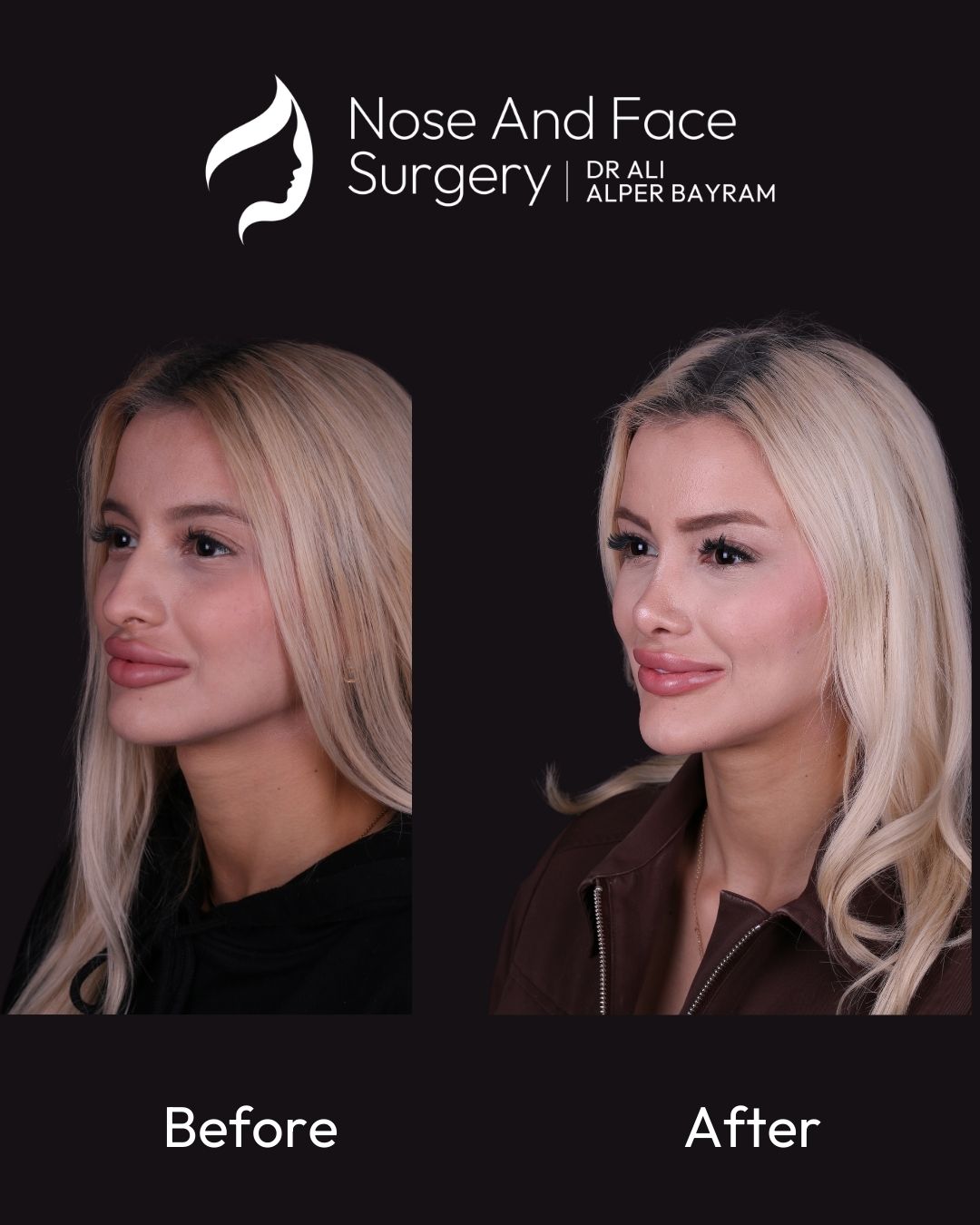
Choosing a rhinoplasty surgeon is one of the most important decisions in facial surgery.
Many patients begin by searching for the “best rhinoplasty surgeon” or comparing before and after photographs online. However, selecting a specialist based solely on images or online visibility can be misleading.
Rhinoplasty is a technically demanding procedure that requires anatomical precision, structural planning and long-term judgement. The outcome depends far more on surgical background and philosophy than on marketing presence.
This guide explains what truly matters when choosing a rhinoplasty surgeon and how patients can evaluate expertise in a structured and responsible way.
Why Rhinoplasty Requires Specialist Expertise
The nose is positioned at the centre of the face and plays both a functional and aesthetic role.
Unlike many cosmetic procedures, rhinoplasty affects:
- Facial harmony
- Airway function
- Long term structural stability
- Skin adaptation over time
For this reason, rhinoplasty should not be approached as a purely cosmetic intervention. It requires detailed understanding of nasal anatomy and airflow mechanics.
You can explore how breathing and aesthetics are addressed together in:
Rhinoplasty for Breathing Problems: Can Surgery Improve Nasal Function?
1. Medical Background and Surgical Training
One of the first factors to consider is the surgeon’s medical training.
Rhinoplasty may be performed by surgeons from different specialties. However, an Ear Nose and Throat specialist has specific training in:
- Nasal airway physiology
- Septal deviation
- Nasal valve stability
- Cartilage support and internal framework
This background becomes particularly important when functional concerns are present or when long-term structural stability is prioritised.
When comparing surgeons in the UK or internationally, medical training should be evaluated before geography.
2. Experience in Primary and Revision Rhinoplasty
Experience significantly influences predictability.
Primary rhinoplasty reshapes a previously untreated nose.
Revision rhinoplasty corrects prior surgery and is technically more complex.
A surgeon who regularly performs both primary and revision cases is more likely to understand anatomical limits and long-term consequences.
Further insight is available in:
Primary Rhinoplasty for UK Patients: First Time Surgery Explained
and
Revision Rhinoplasty in Turkey for UK Patients: When and Why a Second Nose Surgery Is Needed
3. Structural Philosophy Over Trends
Rhinoplasty trends change. Anatomy does not.
A responsible surgeon prioritises:
- Preservation of nasal support
- Avoidance of excessive reduction
- Conservative tip refinement
- Long term facial balance
Aggressive reshaping may initially appear refined but can compromise structural integrity over time.
The concept of natural proportion is discussed further in
Natural Rhinoplasty for UK Patients: What “Natural” Really Means
4. The Quality of the Consultation
The consultation often reflects the quality of surgical planning.
A structured evaluation should include:
- External facial analysis
- Internal nasal examination
- Assessment of skin thickness
- Discussion of breathing function
- Honest explanation of limitations
If price is prioritised before anatomy, the planning process may not be appropriately structured.
Rhinoplasty should always be anatomy first, finance second.
5. Hospital Environment and Clinical Standards
Safety depends on standards, not assumptions about location.
Patients should confirm that surgery is performed in:
- Accredited hospitals
- Regulated operating environments
- Structured anaesthesia protocols
- Defined post operative follow up systems
Whether surgery takes place in London, Manchester or Istanbul, clinical structure and regulatory compliance are essential.
6. Volume and Focused Subspecialisation
In certain specialist centres, including Istanbul, some surgeons focus almost exclusively on nasal surgery. Concentration of expertise combined with surgical volume can refine judgement and improve consistency.
However, volume alone is not sufficient. It must be combined with:
- Individualised planning
- Conservative structural approach
- Functional awareness
- Long term follow up
Patients should look for balance between experience and personalised care.
7. Communication and Expectation Management
One of the most important but overlooked factors is communication style.
A responsible rhinoplasty surgeon should:
- Explain what is realistically achievable
- Clarify what cannot be achieved
- Discuss risks transparently
- Avoid guaranteeing perfection
Unrealistic expectations are a leading cause of dissatisfaction after rhinoplasty.
Clear and honest communication is often a stronger indicator of professionalism than persuasive reassurance.
A Professional Perspective
At Nose and Face Surgery in Istanbul, consultations are led by Dr Ali Alper Bayram, an ENT specialist focused exclusively on nasal and facial surgery.
His approach is grounded in anatomical precision, preservation of nasal function and realistic surgical planning. Each consultation prioritises structural stability and breathing function alongside aesthetic refinement.
Patients travelling from across the UK receive clear English speaking communication and structured follow up throughout the process.
The emphasis remains on medical evaluation and responsible guidance rather than exaggerated promises.
Frequently Asked Questions
Should I choose a surgeon based on social media results?
Photographs can provide context, but they do not replace medical assessment. Structural explanation is more important than visual impression alone.
Is revision rhinoplasty more complex?
Yes. Altered anatomy and scar tissue increase technical difficulty. Specialist experience is essential.
Does higher price guarantee better results?
No. Cost reflects many factors, including healthcare systems and operational structure. Surgical planning and expertise are more important than price alone.
Is ENT training important in rhinoplasty?
When breathing function or structural stability is involved, ENT training offers additional anatomical insight.
Final Considerations
Choosing a rhinoplasty surgeon requires careful evaluation of:
- Medical background
- Experience in primary and revision cases
- Structural philosophy
- Functional understanding
- Hospital standards
- Communication style
Geography alone does not determine quality. Expertise, planning and responsibility do.
Request a Structured Rhinoplasty Consultation
If you are considering rhinoplasty and would like a professional medical opinion before making your decision, a structured consultation can provide clarity.
During assessment, both aesthetic goals and functional considerations are evaluated carefully. The objective is to offer realistic guidance based on anatomy, not trends or assumptions.
You may request a consultation to discuss your individual case and receive guidance tailored to your anatomy and long-term expectations.